
The Peptide Research Hub is a curated collection of educational resources and compound profiles covering the broad landscape of research peptides — from well-studied healing peptides to growth hormone secretagogues, skin peptides, and mitochondria-targeted compounds.
How to Use This Peptide Research Hub
Use this peptide research hub to compare compounds by class, mechanism, and evidence level before opening an individual profile. Start with the compound database for a broad index, then follow the linked research articles for deeper literature context. Human studies, animal models, and in-vitro findings are labeled separately because they support different conclusions. Regulatory status is also identified so readers can distinguish approved medicines from investigational compounds and research-use-only materials. This structure keeps each peptide research summary tied to its available evidence and makes the hub a research starting point, not a dosing guide or treatment recommendation.
What Are Research Peptides?
Peptides are short chains of amino acids — the building blocks of proteins. The body uses peptides as signaling molecules in nearly every physiological system: hormonal regulation, immune function, tissue repair, metabolism, and neurotransmission. Synthetic research peptides are analogs or fragments of naturally occurring peptides, studied for their potential to modulate these biological systems.
Most research peptides are designated Research Use Only (RUO) — meaning they are intended for investigational contexts, not human therapeutic use. Some, like bremelanotide (PT-141) and semaglutide, have completed the clinical pipeline and received FDA approval. See our RUO explainer for details.
Peptide Categories
Healing and Tissue Repair Peptides
- BPC-157 — Extensively studied in rodent models for tendon, gut, and tissue repair
- TB-500 — Thymosin Beta-4 fragment studied for tissue repair and inflammation
- GHK-Cu — Copper tripeptide with broad published research on wound healing and skin biology
- KPV — Alpha-MSH fragment with anti-inflammatory properties under investigation
Growth Hormone Secretagogues
- Ipamorelin — Selective GHRP with minimal cortisol/prolactin response in research models
- CJC-1295 — GHRH analog with extended half-life studied in clinical trials
- Sermorelin — GHRH 1-29 fragment; FDA-approved form exists for pediatric GHD
- MK-677 — Oral ghrelin mimetic studied for GH/IGF-1 elevation
Mitochondria-Targeted Peptides
- SS-31 (Elamipretide) — Cardiolipin-binding peptide with Phase II human trial data
- MOTS-c — Mitochondria-derived peptide regulating metabolic homeostasis
- Humanin — Mitochondria-encoded neuroprotective peptide
Skin and Cosmetic Peptides
- GHK-Cu — Most-studied cosmetic peptide; collagen synthesis and wound healing
- SNAP-8 — Acetyl octapeptide studied as a neurotransmitter-inhibiting cosmetic peptide
- Leuphasyl — Pentapeptide studied for expression line reduction
Research Tools
Use the compound database to search and filter 350+ research compound profiles by type, mechanism, and evidence level. The research calculators section includes reconstitution calculators, mg/mcg converters, and dosing math tools for lab use.
For primary literature, browse PubMed’s research-peptide results and compare each study’s model, endpoints, and limitations with the evidence level shown in the related profile.
All content is for educational and research reference only. Research peptides are not approved drugs and are not intended for human therapeutic use. Nothing here constitutes medical advice.
How to Read a Peptide Research Summary
When reading a peptide profile, check the species, study design, sample size, endpoint, and publication status before comparing results. A receptor mechanism or rodent finding can explain why a compound is being studied, but it does not establish human safety, efficacy, or a practical regimen. Follow the source links to the underlying paper whenever a claim matters, and treat regulatory status as a separate question from biological interest. This approach keeps peptide research useful, specific, and evidence-limited.
Latest Peptide Research Articles
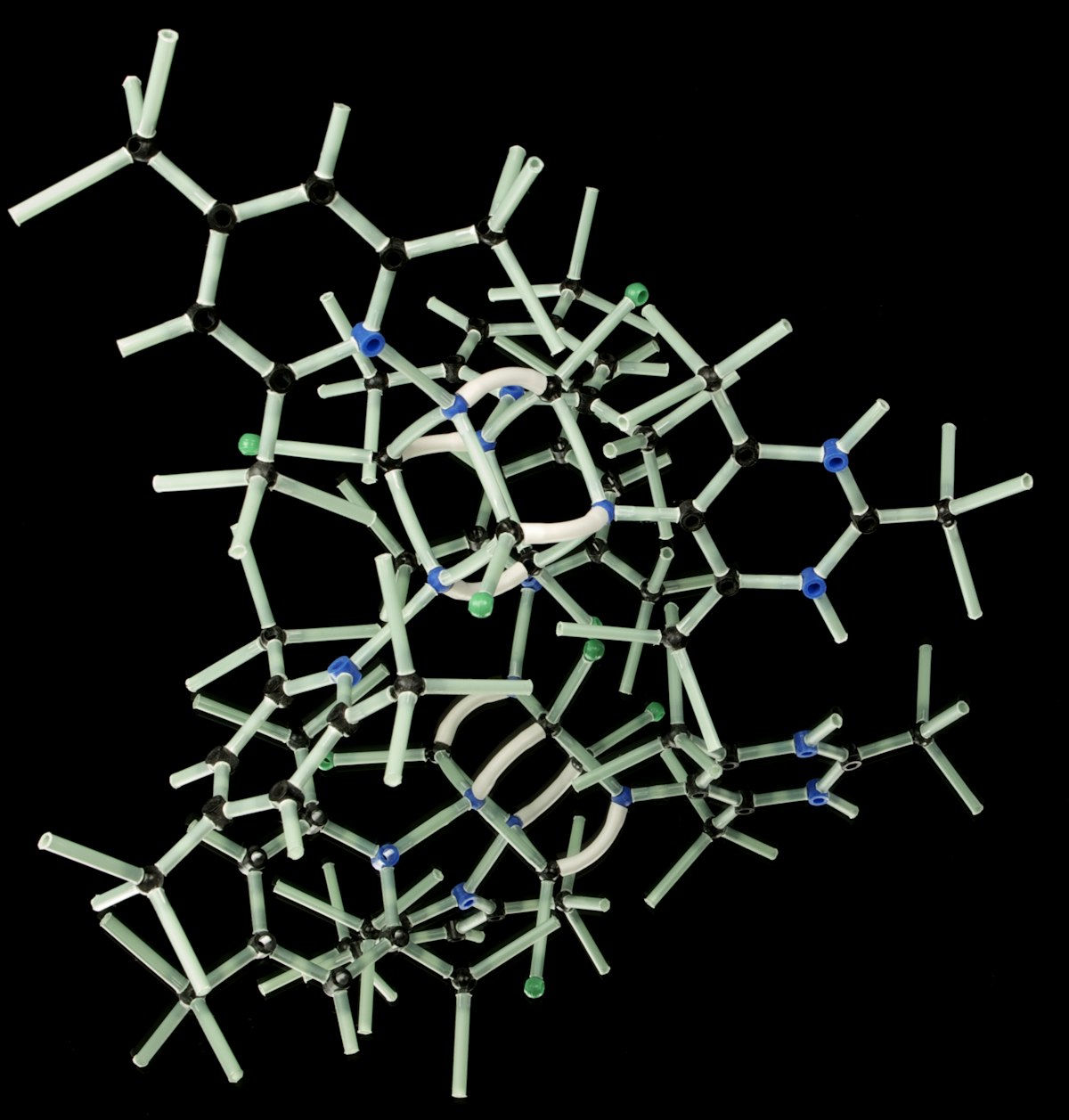
GH Axis Peptides: Ipamorelin, CJC-1295, GHRP-6
Growth hormone secretagogues — mechanisms, published findings, and the combination rationale explained.
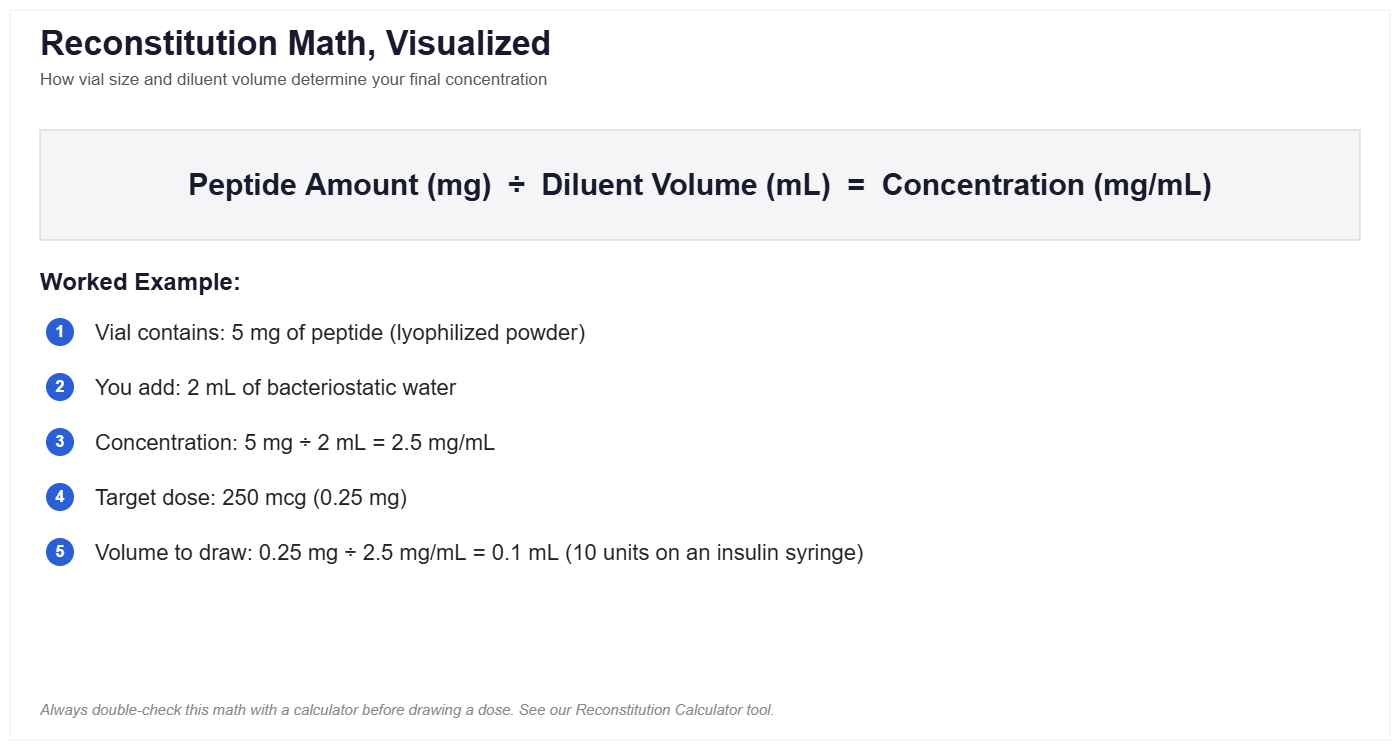
Peptide Reconstitution: The Complete Guide
BAC water, concentration math, storage, and common laboratory mistakes — a complete education reference.
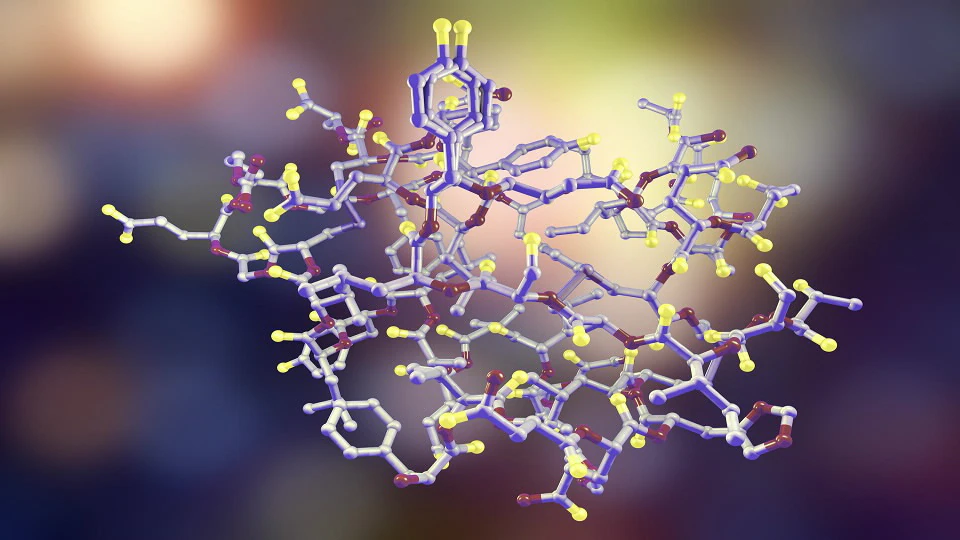
BPC-157: The Preclinical Research Breakdown
GI, musculoskeletal, and CNS rodent data — what the research shows and where the human data gap sits.