
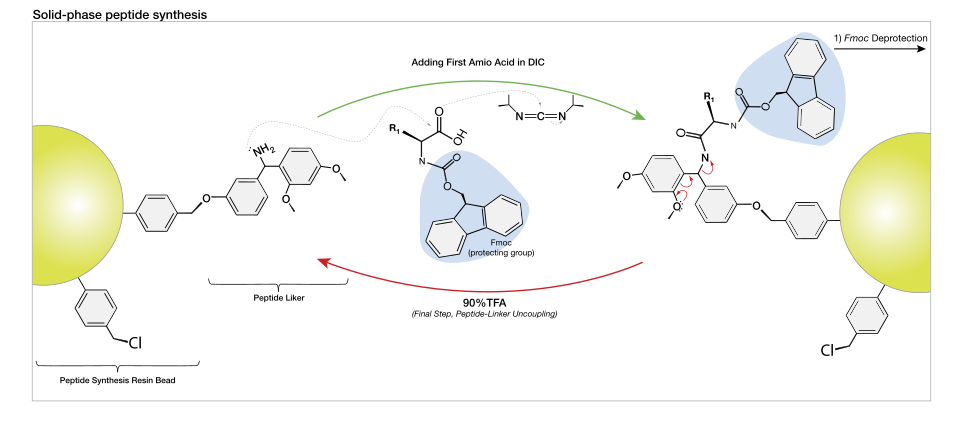
Hair Loss Research: GHK-Cu, Minoxidil Peptides, and What the Science Says
GHK-Cu, PTD-DBM, and topical peptide combinations are being studied for hair loss. Here’s what the published research shows and where the evidence gets thin.
Research protocol education, reconstitution guides, and compound context for research peptides.
GHK-Cu, PTD-DBM, and topical peptide combinations are being studied for hair loss. Here’s what the published research shows and where the evidence gets thin.
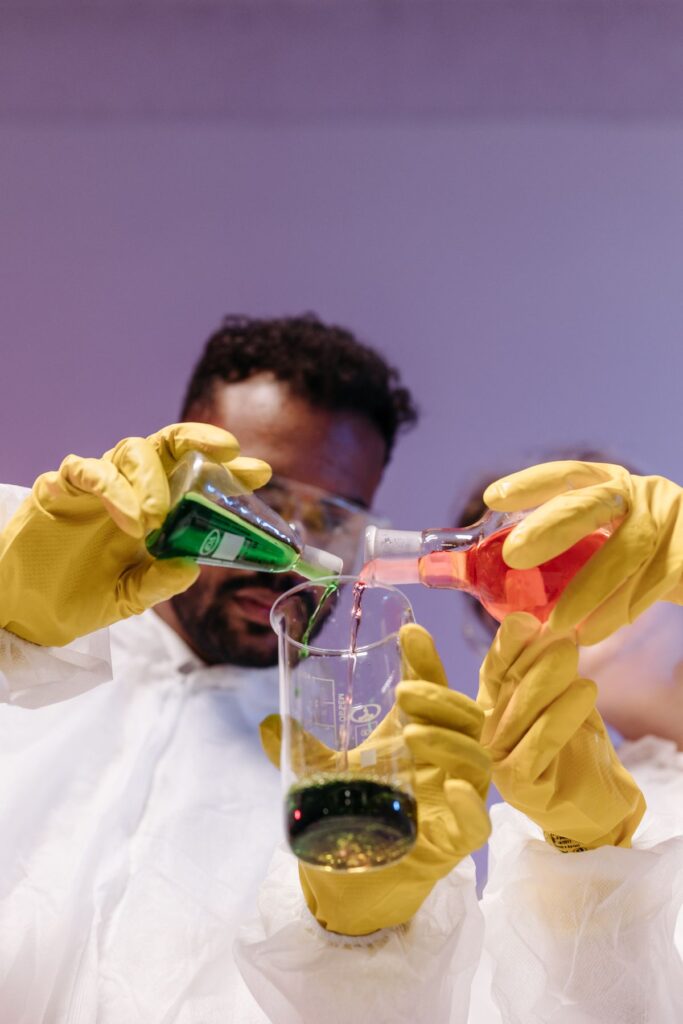
Side effect profiles for research peptides range from well-characterized to purely anecdotal. Here’s a research-graded breakdown of what’s actually documented vs what comes from community reports.
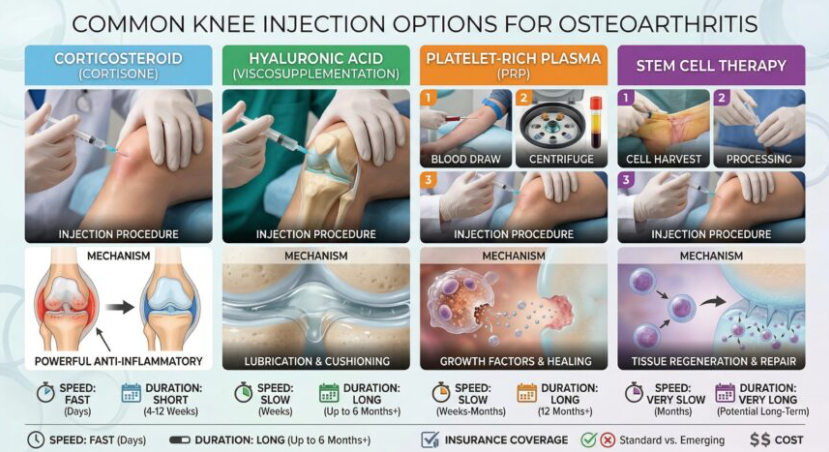
Joint and connective tissue research is one of the most active areas in peptide science. Here’s what BPC-157, TB-500, and collagen peptides show in published research for musculoskeletal applications.

PT-141, kisspeptin, and testosterone axis peptides — what published research shows about compounds studied in men’s health contexts, and where the evidence actually stands.
GHK-Cu, collagen peptides, and BPC-157 have all been studied in skin and hair research contexts. Here’s what the evidence shows and where it’s still early.
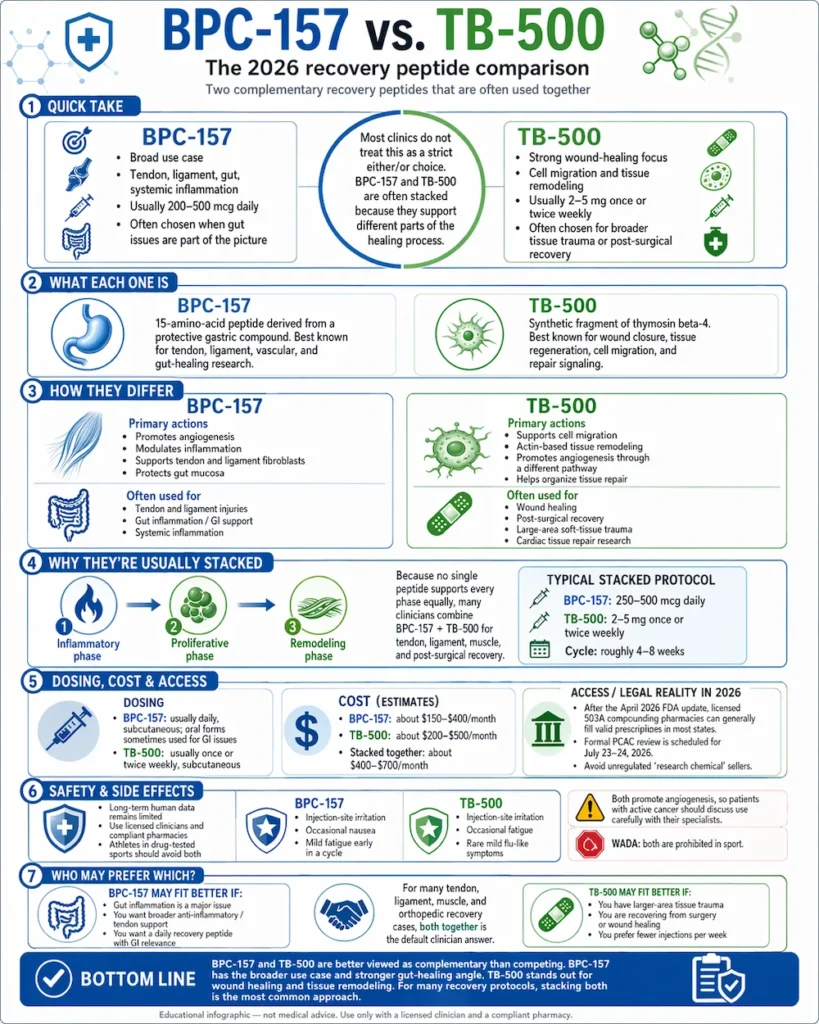
What does the published research say about combining tissue repair peptides with GH secretagogues? The mechanistic rationale, the evidence gaps, and how researchers think about multi-compound approaches.
TB-500 is a synthetic fragment of Thymosin Beta-4, studied for tissue repair, angiogenesis, and inflammation modulation. Here’s what the research actually shows.
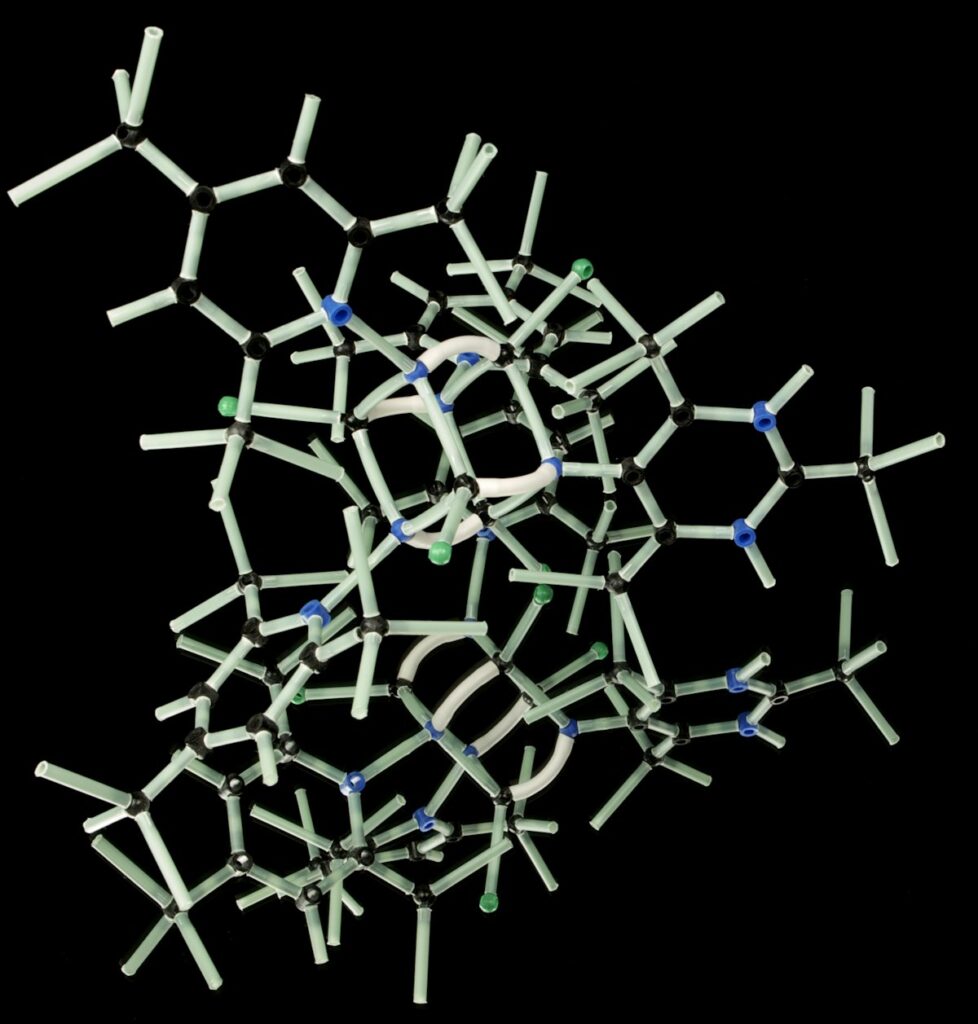
Growth hormone secretagogues work on the GH axis rather than supplying exogenous GH. Here’s what the published research shows about the three most-studied peptides in this class.
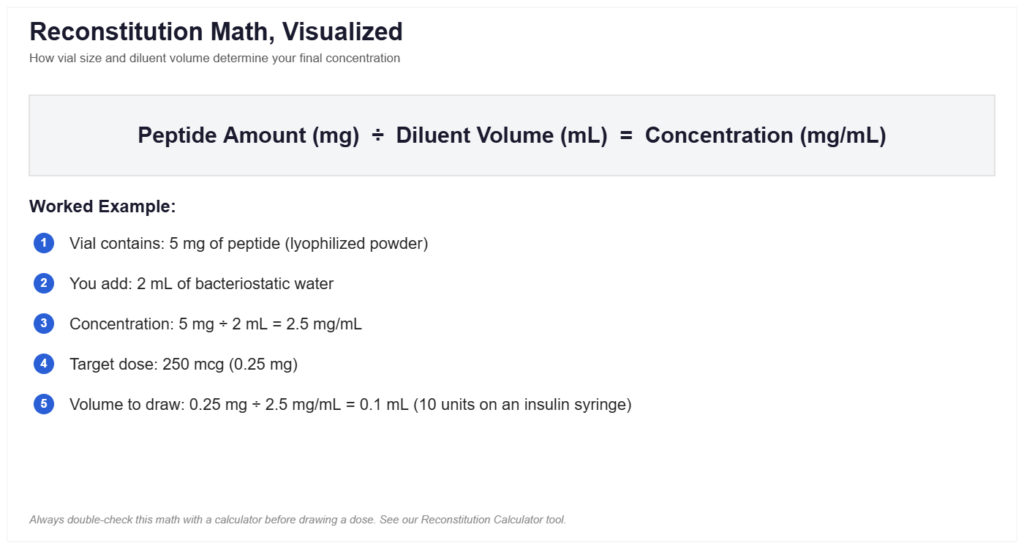
What reconstitution actually is, why bacteriostatic water, how to calculate concentration, storage best practices, and what goes wrong — a complete educational reference.
A thorough look at what the published rodent model literature actually says about BPC-157 — tissue repair pathways, GI mechanisms, and what we still don’t know.