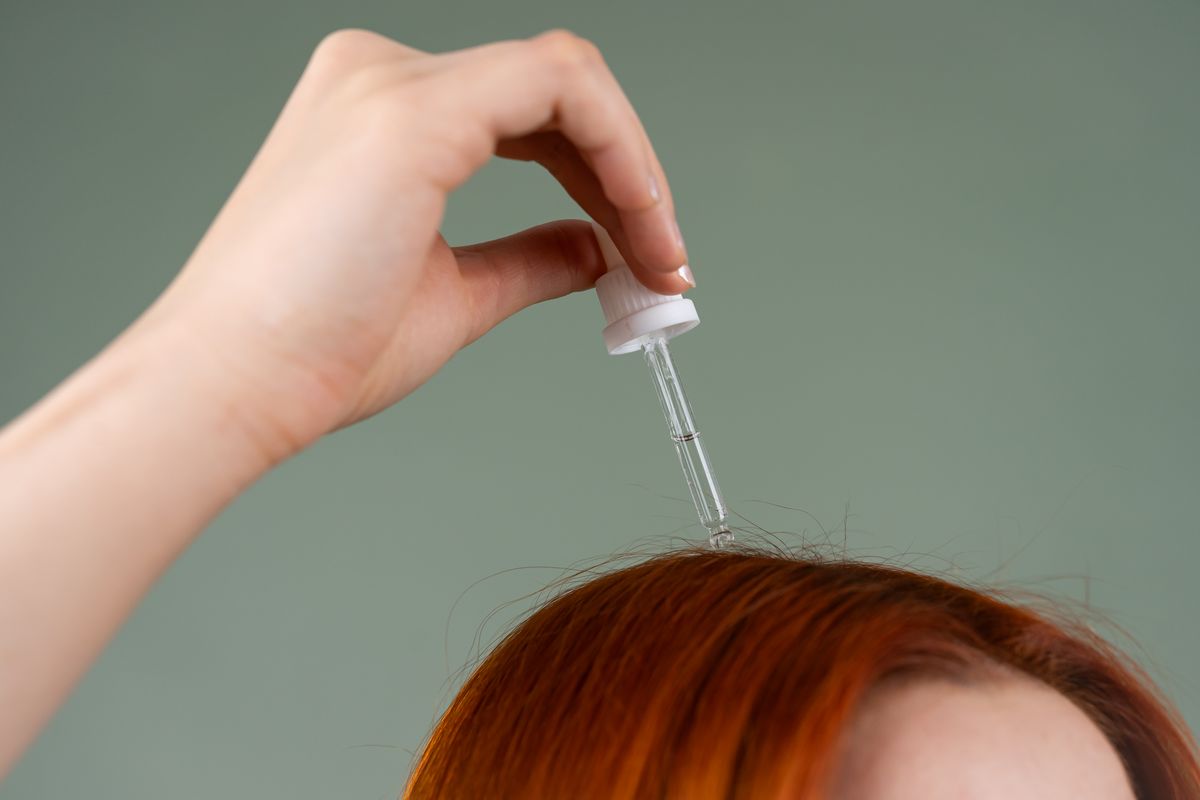
Hair loss (androgenetic alopecia and other types) is one of the most commercially active areas in peptide research, largely because topical application allows easier study than systemic compounds and the endpoint (visible hair growth) is relatively easy to measure. This is a research breakdown of the published evidence.
The Biology of Hair Loss
Androgenetic alopecia (AGA, “pattern baldness”) is driven primarily by DHT (dihydrotestosterone) sensitivity in hair follicles. DHT shortens the anagen (growth) phase and miniaturizes follicles over time. This mechanism is why finasteride (5α-reductase inhibitor that blocks DHT conversion) and minoxidil (vascular/potassium channel mechanism) are the two FDA-approved treatments — they address DHT and follicle vascularity respectively.
Peptide approaches target different aspects of hair biology: growth factor signaling, follicle stem cell activation, inflammation reduction, and angiogenesis.
GHK-Cu (Copper Tripeptide-1)
GHK-Cu is the most-studied peptide in hair loss research. Published findings:
- A 1993 study showed topical GHK-Cu increased hair follicle size in mice — a consistent finding across multiple subsequent studies
- Stimulates keratinocyte proliferation and migration
- Reduces inflammatory cytokines around follicles (inflammation is a component of AGA and particularly telogen effluvium)
- A 2007 study reported that GHK-Cu increased the number of hair follicles and improved hair coverage in mouse models
- Limited human data: small observational studies report improved hair density with topical GHK-Cu preparations, but no large RCT
PTD-DBM (Hair Follicle Neogenesis)
PTD-DBM is a peptide derived from the CXXC5 protein that activates the Wnt/β-catenin signaling pathway — which controls hair follicle development and cycling. A 2017 paper in Journal of Investigative Dermatology showed PTD-DBM applied with valproic acid produced hair follicle neogenesis (new follicle formation) in mice, including in wound sites. This is a notable finding because it suggests the possibility of actual follicle regeneration rather than just improved growth in existing follicles. Human trials have not been published as of 2025.
KGF (Keratinocyte Growth Factor) and Peptide Mimetics
KGF (FGF-7) is a growth factor that promotes keratinocyte proliferation and hair growth. Synthetic peptide mimetics of KGF’s receptor-binding domain are being developed as potentially more stable topical alternatives to the full protein. Preclinical data in rodents is positive; no human trial data exists.
Honest Assessment
The honest summary: GHK-Cu has the most developed evidence base of any peptide in hair loss research, but still lacks the large-scale RCT data that would establish it as a proven treatment. It is used in many commercial topical preparations based on its safety profile and consistent preclinical findings. PTD-DBM represents an exciting mechanistic direction but is earlier stage. For clinically documented hair loss treatment, minoxidil and finasteride remain the only compounds with substantial human RCT evidence.
Why Minoxidil and Finasteride Work Through Entirely Different Mechanisms
The two gold-standard treatments are frequently mentioned together but act on completely different biological pathways, which is useful context for understanding why they’re sometimes prescribed in combination rather than as alternatives. Finasteride is a 5-alpha-reductase inhibitor that blocks the conversion of testosterone to DHT, directly addressing the hormonal driver of androgenetic alopecia at its source. Minoxidil, by contrast, was originally developed as an oral blood pressure medication and works primarily as a vasodilator and potassium channel opener that increases blood flow to hair follicles and extends the anagen (growth) phase — it doesn’t address DHT sensitivity at all. Because they intervene at different points in the hair-loss process, combining both is a well-studied and clinically common strategy, with combination use generally showing better outcomes than either compound alone in published trials.
The Post-Finasteride Syndrome Controversy
Finasteride’s safety profile deserves balanced treatment given a genuine, ongoing scientific controversy: a subset of users have reported persistent sexual, cognitive, or mood-related side effects that continue even after discontinuing the medication — a condition sometimes referred to as “post-finasteride syndrome” (PFS). The FDA added updated warnings about persistent erectile dysfunction to finasteride’s label in response to this concern. The scientific community remains divided on causality, prevalence, and mechanism: some researchers view PFS as a real, underrecognized adverse effect requiring further study, while others note the difficulty distinguishing genuine drug-caused persistent effects from pre-existing psychological factors, nocebo effects amplified by online PFS communities, or normal aging-related changes in a population already predisposed to hair loss. This remains an active and unresolved area of clinical research controversy, and it’s a legitimate consideration in any honest risk-benefit discussion of finasteride.
The Growing Trend of Low-Dose Oral Minoxidil
A notable recent development in dermatology practice is the growing off-label use of low-dose oral minoxidil (typically 0.25-5mg daily, far below the blood-pressure-treatment dose) for hair loss, as an alternative or supplement to the topical formulation. Proponents cite better compliance (a pill versus a twice-daily topical application) and, in some observational studies, comparable or superior efficacy to topical minoxidil. This remains an off-label use not specifically FDA-approved for hair loss, and it carries its own tolerability considerations (including hypertrichosis — unwanted hair growth elsewhere on the body — and rarely more significant cardiovascular effects at higher doses), but its growing adoption in dermatology practice reflects real clinical interest in oral minoxidil as a legitimate treatment variant worth discussing alongside the topical form.
Frequently Asked Questions
Do minoxidil and finasteride work the same way?
No — finasteride blocks DHT production (the hormonal driver of pattern baldness), while minoxidil improves blood flow and extends the hair growth phase without addressing DHT at all, which is why combining them is a common and well-supported strategy.
Is post-finasteride syndrome scientifically established?
It remains a genuinely contested area — the FDA has added warning language about persistent sexual side effects, but the broader scientific community is divided on the causality, prevalence, and mechanism of long-term persistent symptoms after stopping the drug.
Is oral minoxidil for hair loss FDA-approved?
No — low-dose oral minoxidil for hair loss is an off-label use of a blood pressure medication, though it has become an increasingly common dermatology practice due to compliance advantages over the topical formulation.
Educational content. Not medical advice. Hair loss treatment decisions should involve a dermatologist or trichologist.