
Research articles on GLP-1 medicines, peptides, nootropics, laboratory education, and grey-market quality are collected here in one current library. Browse by topic, read the latest publication cards, and expand the research context section when you want the evidence standards and editorial approach behind the summaries. Every article is educational research reference material—not medical advice, a treatment recommendation, or a substitute for a qualified clinician or the original study.
Latest research articles
-
Hair Loss Research: GHK-Cu, Minoxidil Peptides, and What the Science Says
GHK-Cu, PTD-DBM, and topical peptide combinations are being studied for hair loss. Here’s what the published research shows and where the evidence gets thin.
-

Peptide Side Effects: What the Research Shows and What’s Anecdotal
Side effect profiles for research peptides range from well-characterized to purely anecdotal. Here’s a research-graded breakdown of what’s actually documented vs what comes from community reports.
-

Biohacking Your Metabolism: What the Research Says About Optimizing Metabolic Health
Cold exposure, time-restricted eating, zone 2 training, and peptide compounds — a research-backed breakdown of the most-studied metabolic biohacking approaches and what the evidence actually supports.
-

Apitegromab Lean Mass Preservation in the EMBRAZE Trial
In the phase 2 EMBRAZE trial, adults receiving tirzepatide plus apitegromab lost a similar amount of total weight as those receiving tirzepatide plus placebo, but retained substantially more lean mass. The result is an early proof of concept, not a treatment recommendation or evidence of long-term functional benefit.
-
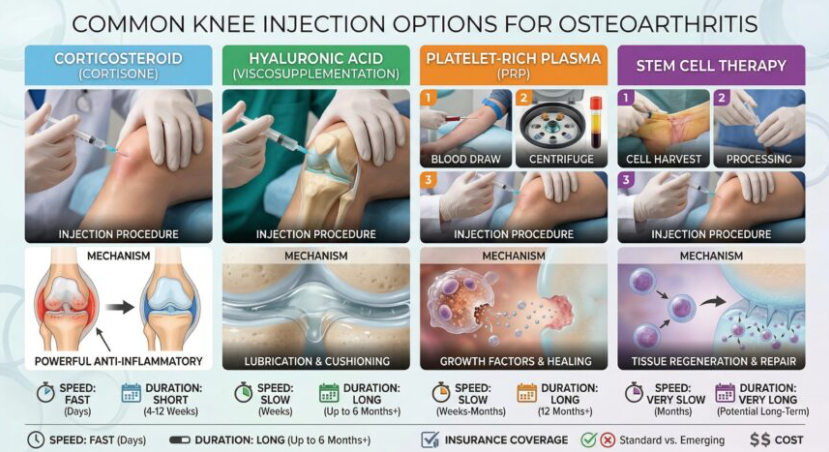
Peptide Therapy for Joint Health: BPC-157, TB-500, and Collagen Synthesis Research
Joint and connective tissue research is one of the most active areas in peptide science. Here’s what BPC-157, TB-500, and collagen peptides show in published research for musculoskeletal applications.
-
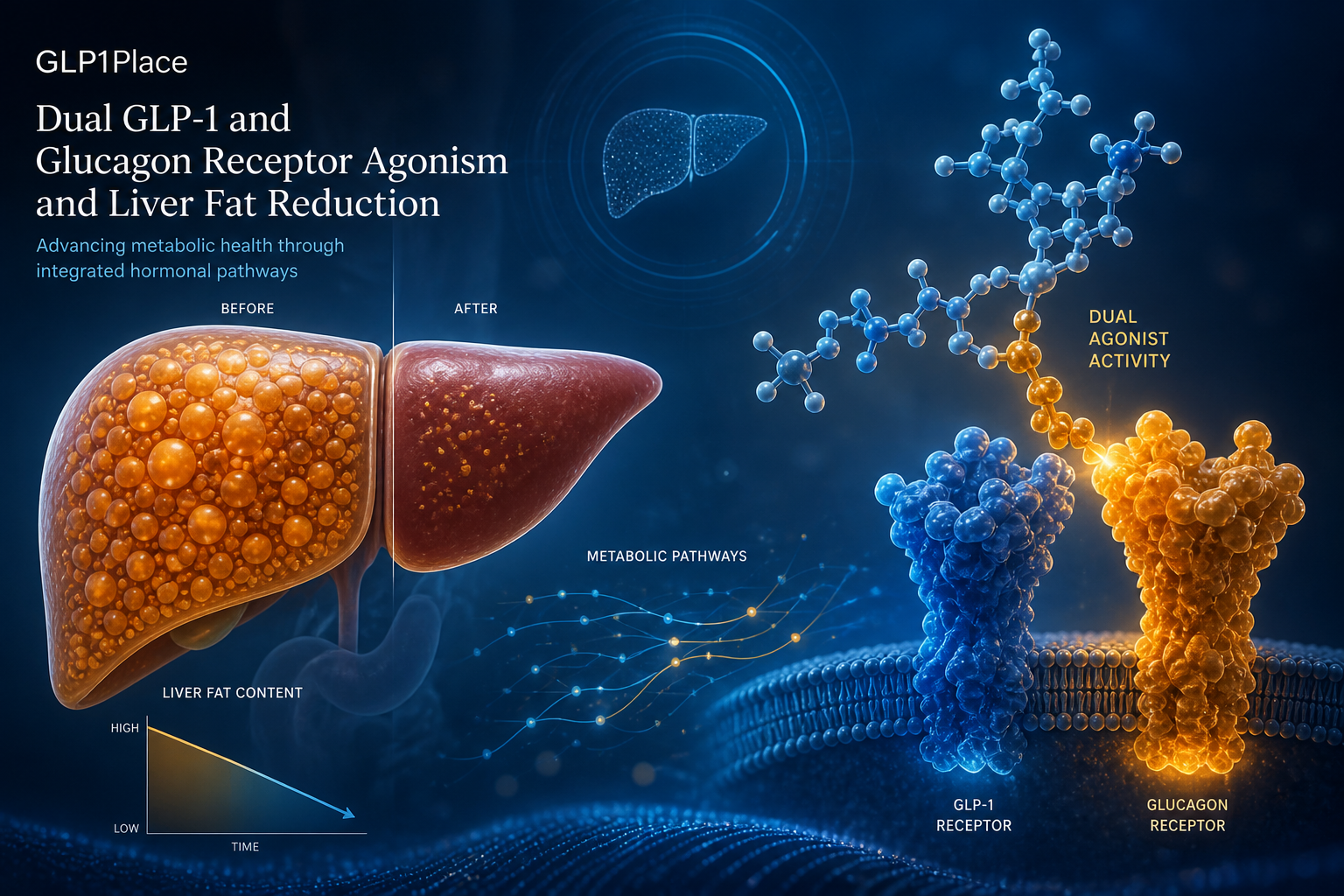
Survodutide Phase 3 Trial Shows Major Liver-Fat Reduction in MASLD
The phase 3 SYNCHRONIZE-MASLD trial found that survodutide reduced MRI-measured liver fat and body weight more than placebo in adults with obesity and at-risk MASLD. The study also reported improvements in several noninvasive liver measures, but it did not establish fibrosis reversal or long-term clinical benefit.
-

Before and After: What GLP-1 Research Shows About Body Composition Changes
Beyond weight on a scale — GLP-1 research tracks fat mass, lean mass, bone density, and metabolic markers. Here’s what the clinical trial data shows about body composition.
-

Research Peptides and the Law: Legal Status, Regulatory Framework, and What You Need to Know
Research peptides exist in a complex regulatory space. This is an educational overview of the legal framework in the US, the “research use only” designation, and what that actually means.
-

NAD+ Biology and Aging: NMN, NR, and What the Research Actually Shows
NMN and NR are two of the most popular longevity supplements. Here’s a rigorous breakdown of the NAD+ biology, what clinical trials have shown, and where the hype exceeds the evidence.
-
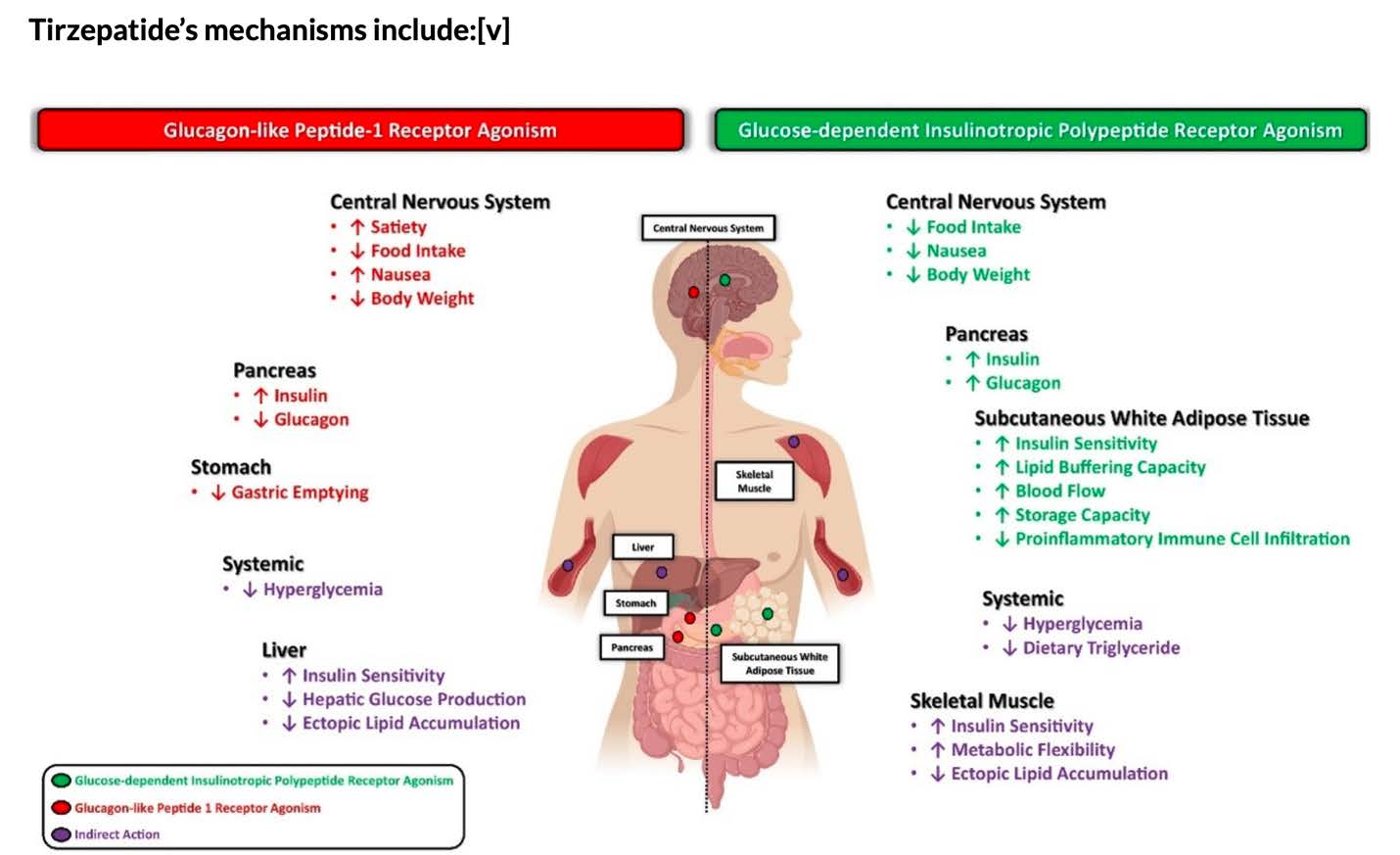
Retatrutide: The Triple Agonist — GLP-1, GIP, and Glucagon Combined
Retatrutide activates three receptors simultaneously — GLP-1, GIP, and glucagon. Phase 2 data shows remarkable weight outcomes. Here’s what the research shows about the next frontier in incretin pharmacology.
Research context, evidence standards, and editorial approach

How to Use These Research Articles
Start with the topic links above to narrow the library, then open an article that matches your question. Compound profiles provide a quick orientation to names, mechanisms, research status, and linked literature, while full research articles explain study design, reported outcomes, and important limitations in more detail. Use publication dates and categories to understand context, and follow source links when you need to check the underlying paper, regulatory notice, or public record.
How We Read the Evidence
A finding in a randomized human trial does not carry the same weight as an observational association, an animal experiment, or an in-vitro result. When reading research articles, check the population, comparison group, sample size, follow-up period, measured endpoint, and whether the result was a primary or exploratory analysis. A plausible mechanism can explain why a compound is being studied, but it cannot establish human safety or efficacy by itself. We also separate approved medicines from investigational compounds and research-use-only materials so readers do not confuse biological interest with regulatory status.
Questions to Ask Before Drawing a Conclusion
- Was the study conducted in humans, animals, cells, or a laboratory model?
- Was there a control or comparison group, and was the study large enough to support the claim?
- Does the reported endpoint measure a meaningful outcome or only a short-term marker?
- Are the results peer reviewed, publicly registered, and reproducible?
- Does the article link to the primary source so the methods and limitations can be checked?
- What remains unknown, especially about long-term safety, product quality, or generalizability?
Editorial Approach and Primary Sources
GLP1Place aims to make technical research easier to follow without turning uncertain findings into promises. Articles identify whether evidence is clinical, observational, preclinical, mechanistic, or regulatory, and they use cautious language when a study cannot establish cause and effect. For primary literature, compare the article summary with PubMed research results and the original publication whenever a claim matters. Sources may change over time, so readers should verify current notices and consult qualified professionals for personal medical decisions.
Keeping Research Current
Research moves quickly, especially in obesity medicine, peptide science, cognitive research, and product-quality oversight. A newer paper may add context without overturning every earlier finding, while an agency alert or later correction can change how a claim should be understood. For that reason, this Blog page is organized as a living research library rather than a static list of conclusions. Check publication dates, read the most recent update when available, and treat headlines as a guide to the evidence—not as proof that a compound works, is safe, or is appropriate for a particular person. This page also connects related topics so readers can compare clinical research with preclinical studies and regulatory reporting in the same subject area.
Educational and research reference only: the information on GLP1Place is not medical advice, a diagnosis, or a treatment recommendation.
Use category archives to compare related reports and compound profiles; the date, category, and source context help explain how each item fits the broader research record. When a claim matters, start with the linked primary source and the relevant regulatory notice.