
Hair Loss Research: GHK-Cu, Minoxidil Peptides, and What the Science Says
GHK-Cu, PTD-DBM, and topical peptide combinations are being studied for hair loss. Here’s what the published research shows and where the evidence gets thin.
Summaries of newly published research, clinical trial updates, and compound news.
GHK-Cu, PTD-DBM, and topical peptide combinations are being studied for hair loss. Here’s what the published research shows and where the evidence gets thin.
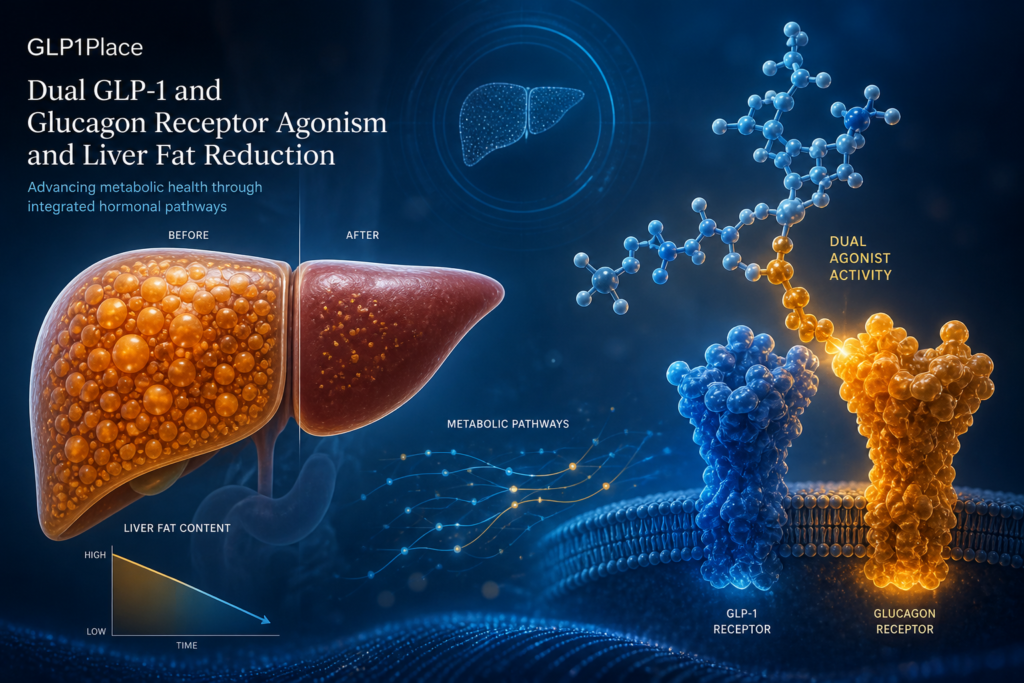
The phase 3 SYNCHRONIZE-MASLD trial found that survodutide reduced MRI-measured liver fat and body weight more than placebo in adults with obesity and at-risk MASLD. The study also reported improvements in several noninvasive liver measures, but it did not establish fibrosis reversal or long-term clinical benefit.
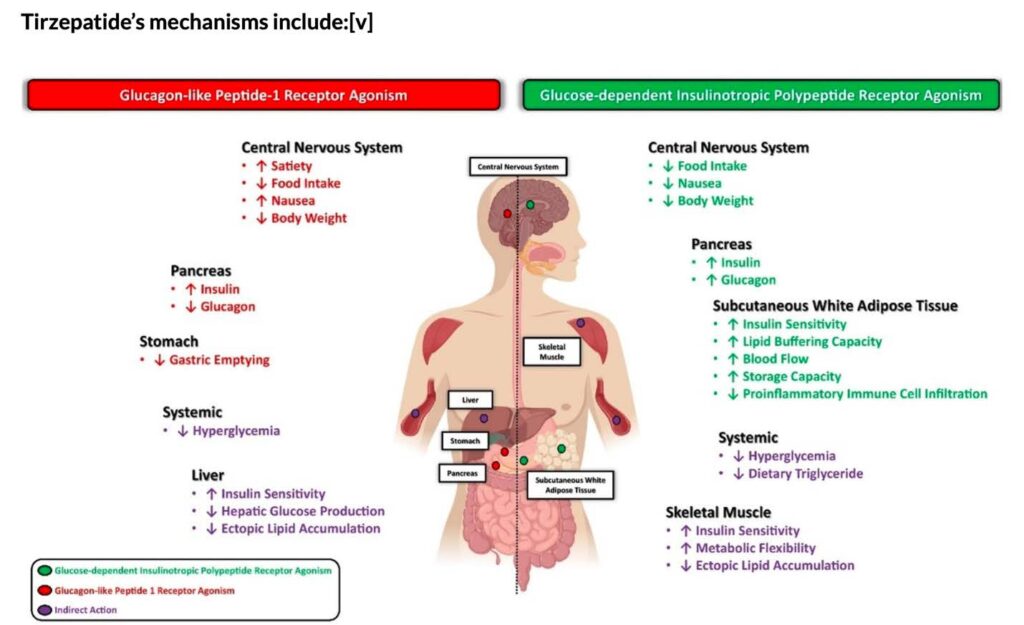
Retatrutide activates three receptors simultaneously — GLP-1, GIP, and glucagon. Phase 2 data shows remarkable weight outcomes. Here’s what the research shows about the next frontier in incretin pharmacology.
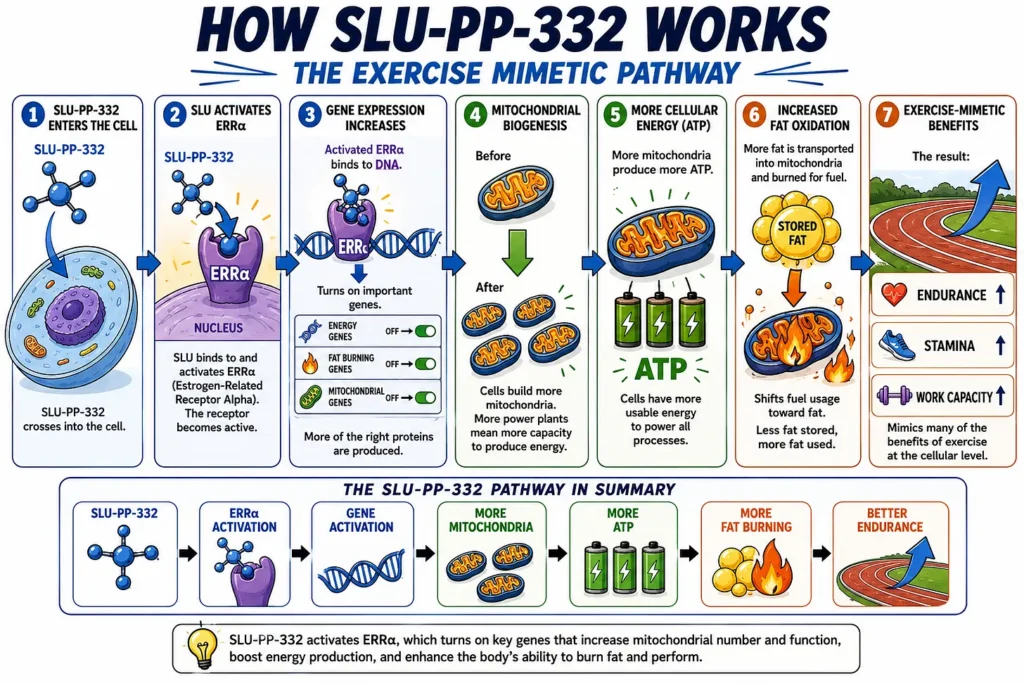
SLU-PP-332 is an ERR agonist compound being studied as a metabolic exercise mimetic. Here’s what the 2024 research actually shows — and what the headlines got wrong.

Ozempic and Wegovy are both semaglutide. The difference is dose and indication. Here’s a research breakdown of how 1mg vs 2.4mg changes the clinical picture.

In the span of about nine months, the research peptide market lost its largest vendor, watched federal agents physically raid

The SURMOUNT-5 trial gave us the first direct RCT comparison. Here’s what the data shows about dual GIP/GLP-1 vs selective GLP-1 mechanisms.
Amycretin, Novo Nordisk’s dual GLP-1/amylin agonist, posted real Phase 2 weight-loss numbers in both injectable and oral form and is now advancing to Phase 3 for obesity. Here’s how it compares to retatrutide and CagriSema.
SURMOUNT-5 put tirzepatide and semaglutide in the same trial, head to head. The result: 20.2% vs 13.7% average weight loss. Here’s what that gap actually means.
The FDA expanded Rybelsus’s approval in October 2025 to include cardiovascular risk reduction for adults with type 2 diabetes, closing the gap between oral and injectable semaglutide’s proven benefits.