
Research articles on GLP-1 medicines, peptides, nootropics, laboratory education, and grey-market quality are collected here in one current library. Browse by topic, read the latest publication cards, and expand the research context section when you want the evidence standards and editorial approach behind the summaries. Every article is educational research reference material—not medical advice, a treatment recommendation, or a substitute for a qualified clinician or the original study.
Latest research articles
-
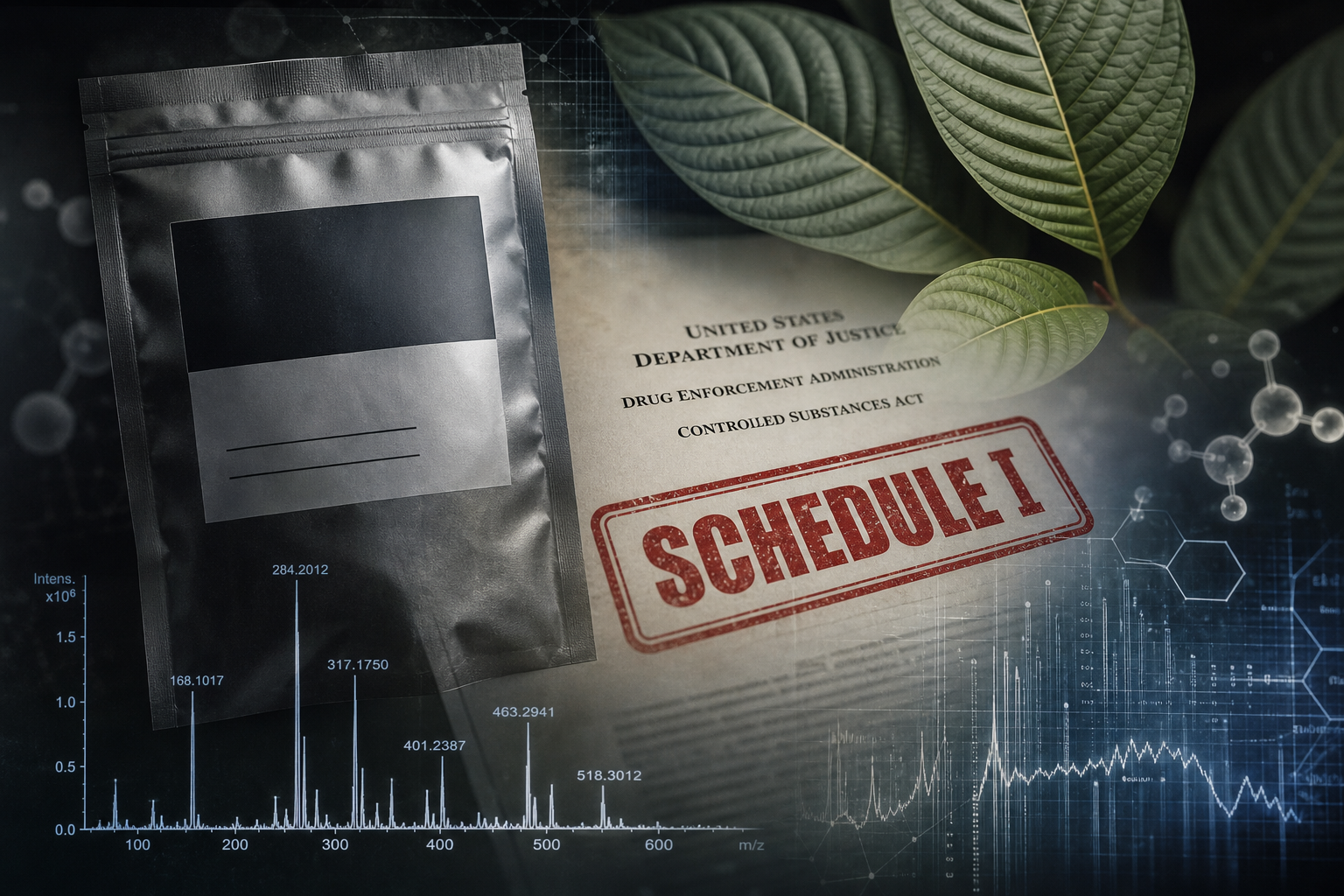
MGM-16 Schedule I Order: What the 2026 Opioid Action Means
A 2026 federal temporary-scheduling action places mitragynine pseudoindoxyl, MGM-15, and MGM-16 under heightened Controlled Substances Act scrutiny. This analysis explains the order’s legal scope, why it distinguishes specified manufactured compounds from traditional botanical kratom, and what it means for research, laboratory analysis, and consumer-product transparency.
-

China-Sourced Anabolic Steroid Trafficking Case Exposes Grey-Market Manufacturing Risks
A federal guilty plea announced September 14, 2026 provides a documented look inside a grey-market anabolic steroid supply chain. DOJ described multi-kilogram steroid powders from China, subsequent production of injectable and oral products, private-label distribution, packaging materials, ledgers, cash, and firearms. The case illustrates why professional-looking bodybuilding products may still lack verifiable identity, potency, sterility,…
-

Grey Market Semaglutide Study Finds Adults Complete Only 44% of Use Steps Correctly
A peer-reviewed August 2026 grey market semaglutide study tested whether adults could correctly handle and use peptide semaglutide obtained without a prescription. Participants completed only 44% of required steps, with errors capable of causing incorrect dosing, needle sticks and infections. The findings add a human-factors warning to FDA concerns about unapproved GLP-1 products, fraudulent labels…
-
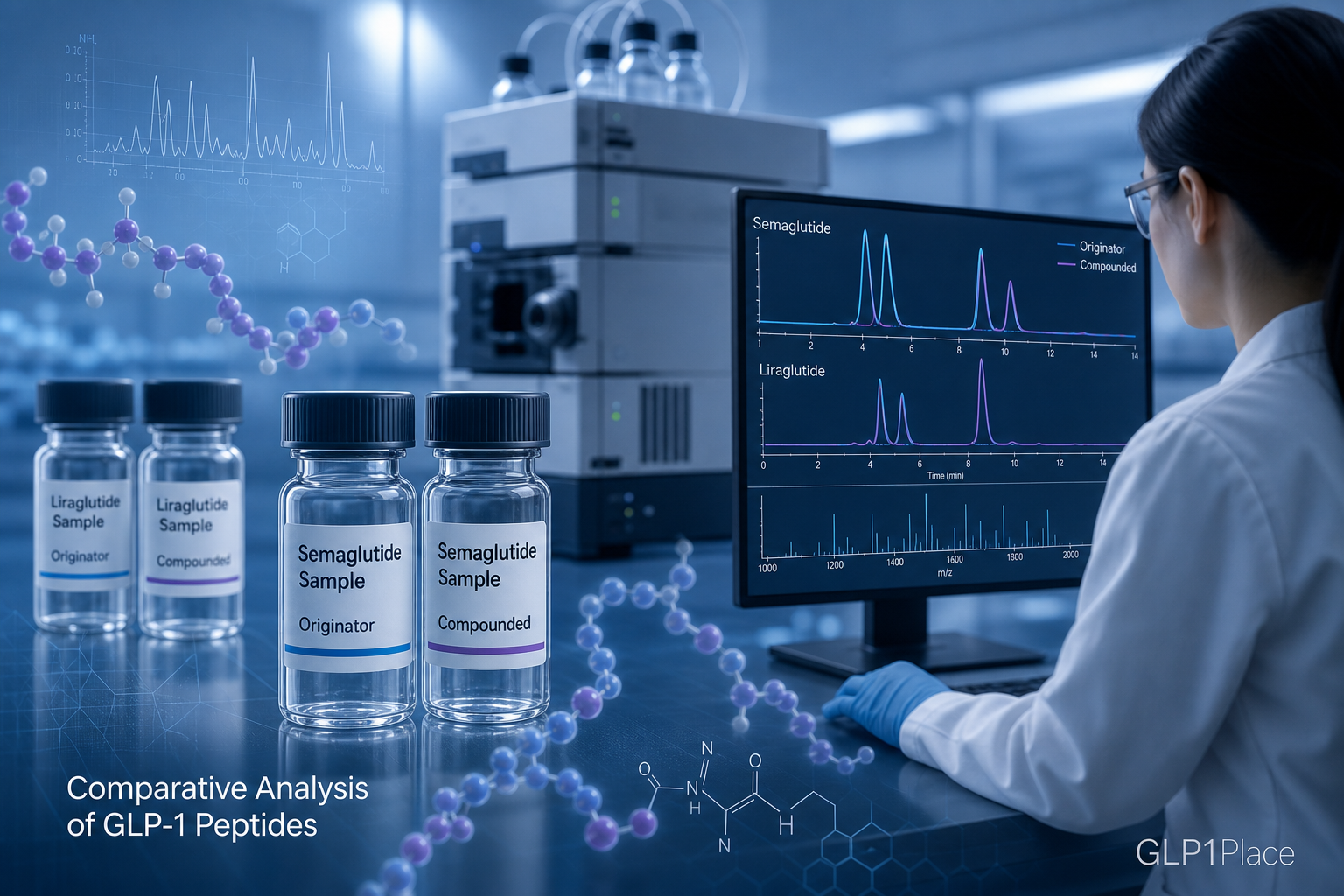
Compounded GLP-1 Impurities: What the 2026 Study Found
A peer-reviewed study published July 30, 2026 found that tested compounded and follow-on semaglutide and liraglutide products contained impurity profiles different from their originator products. The findings add a scientific layer to discussion of compounded GLP-1 quality: the issue is not only whether a vial contains the labeled peptide, but whether manufacturing and storage create…
-
FDA Hidden Ingredients in Weight-Loss Supplements Alert
A series of FDA notifications from August and September 2026 found undeclared prescription drugs, toxic plant compounds, and industrial chemicals in products marketed for weight loss. The findings reveal how the grey-market slimming market extends beyond counterfeit GLP-1s and why “natural” labels provide no reliable assurance of composition.
-
Counterfeit Retatrutide Linked to Liver Injury: What the Australian Safety Alert Means
A cluster of seven acute liver-injury cases in Victoria has become one of the clearest recent warnings about the danger of counterfeit retatrutide. The products were sold outside regulated medical channels and may not have contained clinical-trial retatrutide at all. New testing also found major discrepancies between the labeled and measured contents of black-market vials,…
-

GLP-1 Prescription Fraud: Doctor Impersonation Scheme Exposes a New Access Risk
A federal indictment announced August 17, 2026 alleges that an Illinois man impersonated physicians, misused National Provider Identifier information, and helped customers obtain GLP-1 and other prescription medications without legitimate authorization. The case shows how grey-market risk can extend beyond counterfeit products into prescription fraud, identity theft, and pharmacy-benefit abuse.
-

N-PEP-12 Cognitive Trial: What the 2026 Attention Study Found
A randomized, placebo-controlled 2026 study tested N-PEP-12 in 276 adults aged 50 to 75 with subjective cognitive complaints. The trial reported exploratory signals in attention, working memory, mood, and stress measures, but its primary statistical interpretation and proprietary composition require careful reading.
-
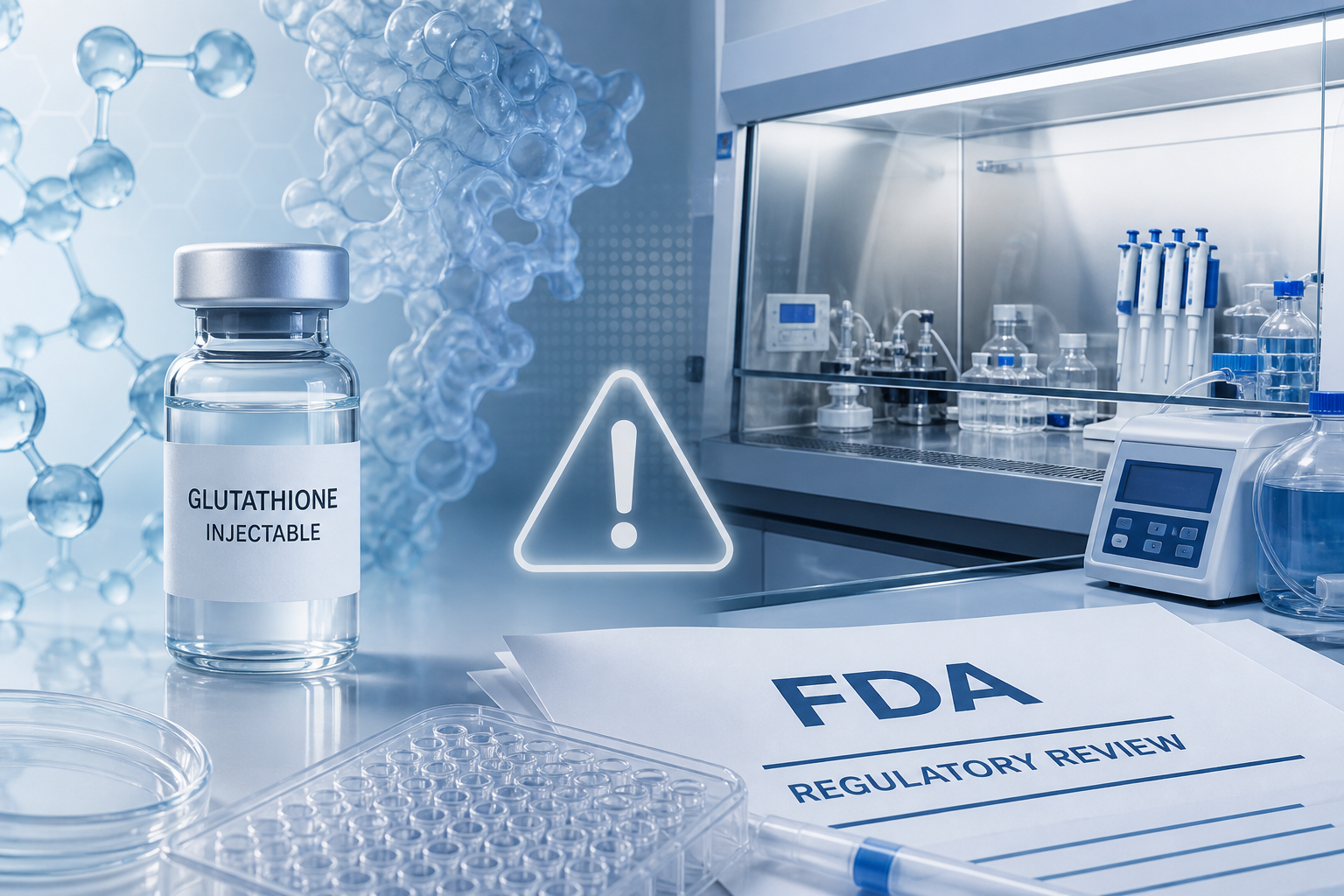
Injectable Glutathione Endotoxin Warning: What the FDA Alert Reveals About Compounding Quality
A new FDA safety alert tied at least 30 adverse-event reports to compounded intravenous glutathione made with dietary-supplement-grade material. The warning exposes a broader quality problem: an ingredient suitable for oral supplement manufacturing is not automatically suitable for sterile injection. Here is what the August 2026 alert, related recalls, and endotoxin science mean for compounding…
-

Oral Semaglutide Cognitive Impairment Study: What the 2026 Data Shows
A peer-reviewed August 2026 study reports fewer new cases of cognitive impairment among older adults with HFpEF, obesity, and type 2 diabetes who received oral semaglutide rather than matched DPP-4 inhibitor users. The 77% lower adjusted risk is notable, but this observational study cannot establish dementia prevention or a direct brain-protective effect.
Research context, evidence standards, and editorial approach

How to Use These Research Articles
Start with the topic links above to narrow the library, then open an article that matches your question. Compound profiles provide a quick orientation to names, mechanisms, research status, and linked literature, while full research articles explain study design, reported outcomes, and important limitations in more detail. Use publication dates and categories to understand context, and follow source links when you need to check the underlying paper, regulatory notice, or public record.
How We Read the Evidence
A finding in a randomized human trial does not carry the same weight as an observational association, an animal experiment, or an in-vitro result. When reading research articles, check the population, comparison group, sample size, follow-up period, measured endpoint, and whether the result was a primary or exploratory analysis. A plausible mechanism can explain why a compound is being studied, but it cannot establish human safety or efficacy by itself. We also separate approved medicines from investigational compounds and research-use-only materials so readers do not confuse biological interest with regulatory status.
Questions to Ask Before Drawing a Conclusion
- Was the study conducted in humans, animals, cells, or a laboratory model?
- Was there a control or comparison group, and was the study large enough to support the claim?
- Does the reported endpoint measure a meaningful outcome or only a short-term marker?
- Are the results peer reviewed, publicly registered, and reproducible?
- Does the article link to the primary source so the methods and limitations can be checked?
- What remains unknown, especially about long-term safety, product quality, or generalizability?
Editorial Approach and Primary Sources
GLP1Place aims to make technical research easier to follow without turning uncertain findings into promises. Articles identify whether evidence is clinical, observational, preclinical, mechanistic, or regulatory, and they use cautious language when a study cannot establish cause and effect. For primary literature, compare the article summary with PubMed research results and the original publication whenever a claim matters. Sources may change over time, so readers should verify current notices and consult qualified professionals for personal medical decisions.
Keeping Research Current
Research moves quickly, especially in obesity medicine, peptide science, cognitive research, and product-quality oversight. A newer paper may add context without overturning every earlier finding, while an agency alert or later correction can change how a claim should be understood. For that reason, this Blog page is organized as a living research library rather than a static list of conclusions. Check publication dates, read the most recent update when available, and treat headlines as a guide to the evidence—not as proof that a compound works, is safe, or is appropriate for a particular person. This page also connects related topics so readers can compare clinical research with preclinical studies and regulatory reporting in the same subject area.
Educational and research reference only: the information on GLP1Place is not medical advice, a diagnosis, or a treatment recommendation.
Use category archives to compare related reports and compound profiles; the date, category, and source context help explain how each item fits the broader research record. When a claim matters, start with the linked primary source and the relevant regulatory notice.