Author name: GLP1Place Research Team

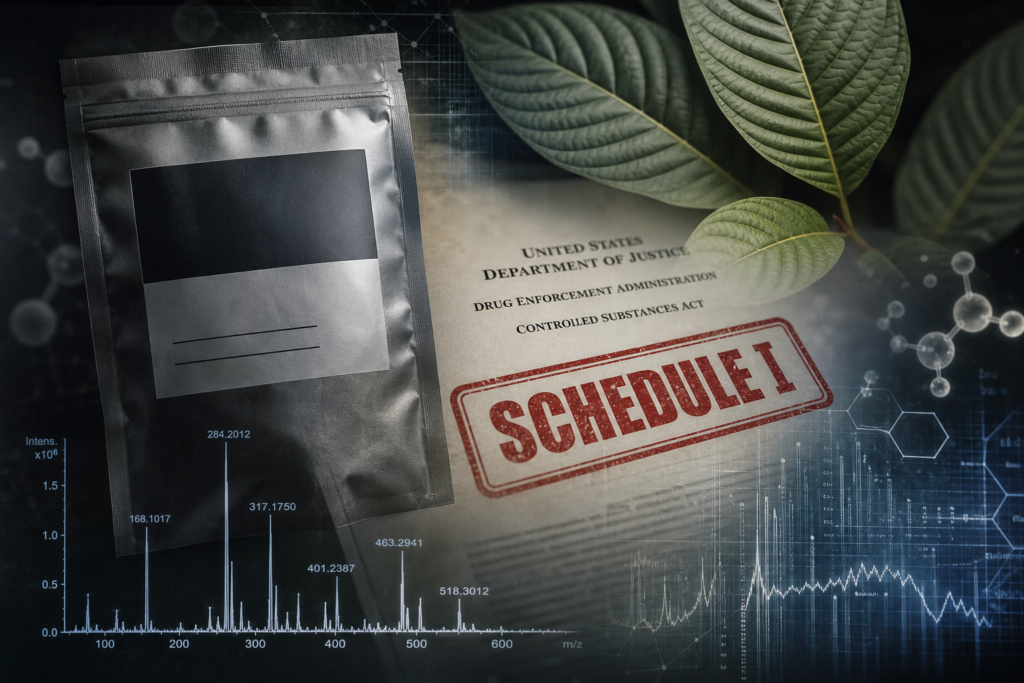
Illustration of an underground anabolic steroid manufacturing and distribution supply chain exposed by a 2026 federal case
Grey Market Watch

China-Sourced Anabolic Steroid Trafficking Case Exposes Grey-Market Manufacturing Risks

A federal guilty plea announced September 14, 2026 provides a documented look inside a grey-market anabolic steroid supply chain. DOJ described multi-kilogram steroid powders from China, subsequent production of injectable and oral products, private-label distribution, packaging materials, ledgers, cash, and firearms. The case illustrates why professional-looking bodybuilding products may still lack verifiable identity, potency, sterility, traceability, and regulated manufacturing controls.

Grey market semaglutide study showing risks from dosing and handling errors
Grey Market Watch

Grey Market Semaglutide Study Finds Adults Complete Only 44% of Use Steps Correctly

A peer-reviewed August 2026 grey market semaglutide study tested whether adults could correctly handle and use peptide semaglutide obtained without a prescription. Participants completed only 44% of required steps, with errors capable of causing incorrect dosing, needle sticks and infections. The findings add a human-factors warning to FDA concerns about unapproved GLP-1 products, fraudulent labels and dosing errors.

Laboratory analysis of compounded GLP-1 impurities in semaglutide and liraglutide samples
Grey Market Watch

Compounded GLP-1 Impurities: What the 2026 Study Found

A peer-reviewed study published July 30, 2026 found that tested compounded and follow-on semaglutide and liraglutide products contained impurity profiles different from their originator products. The findings add a scientific layer to discussion of compounded GLP-1 quality: the issue is not only whether a vial contains the labeled peptide, but whether manufacturing and storage create altered peptide forms that may affect stability or immune recognition.

Counterfeit retatrutide vial beside a liver injury warning and laboratory testing results
Grey Market Watch

Counterfeit Retatrutide Linked to Liver Injury: What the Australian Safety Alert Means

A cluster of seven acute liver-injury cases in Victoria has become one of the clearest recent warnings about the danger of counterfeit retatrutide. The products were sold outside regulated medical channels and may not have contained clinical-trial retatrutide at all. New testing also found major discrepancies between the labeled and measured contents of black-market vials, reinforcing the difference between a promising investigational compound and an unverified product sold under its name.

Illustration showing doctor impersonation and GLP-1 prescription fraud risks
Grey Market Watch

GLP-1 Prescription Fraud: Doctor Impersonation Scheme Exposes a New Access Risk

A federal indictment announced August 17, 2026 alleges that an Illinois man impersonated physicians, misused National Provider Identifier information, and helped customers obtain GLP-1 and other prescription medications without legitimate authorization. The case shows how grey-market risk can extend beyond counterfeit products into prescription fraud, identity theft, and pharmacy-benefit abuse.

FDA injectable glutathione endotoxin warning and sterile compounding safety illustration
Grey Market Watch

Injectable Glutathione Endotoxin Warning: What the FDA Alert Reveals About Compounding Quality

A new FDA safety alert tied at least 30 adverse-event reports to compounded intravenous glutathione made with dietary-supplement-grade material. The warning exposes a broader quality problem: an ingredient suitable for oral supplement manufacturing is not automatically suitable for sterile injection. Here is what the August 2026 alert, related recalls, and endotoxin science mean for compounding oversight and consumer awareness.

Scientific illustration of oral semaglutide research connecting metabolic health, heart function, and cognitive impairment risk
Nootropics & Cognitive Research

Oral Semaglutide Cognitive Impairment Study: What the 2026 Data Shows

A peer-reviewed August 2026 study reports fewer new cases of cognitive impairment among older adults with HFpEF, obesity, and type 2 diabetes who received oral semaglutide rather than matched DPP-4 inhibitor users. The 77% lower adjusted risk is notable, but this observational study cannot establish dementia prevention or a direct brain-protective effect.

Research Tools
Scroll to Top