Author name: GLP1Place Research Team

FDA warning about toxic yellow oleander found in botanical weight-loss products
Grey Market Watch

FDA Finds Toxic Yellow Oleander in Botanical Weight-Loss Products

The FDA’s August 12, 2026 update adds another botanical weight-loss product to its yellow oleander safety alert. Laboratory testing found that products marketed as tejocote root or other natural slimming aids contained toxic cardiac glycosides, and some also contained undeclared drugs or chemicals. Here is what the alert means, why yellow oleander is dangerous, how the contamination happens, and what researchers and regulators are watching next.

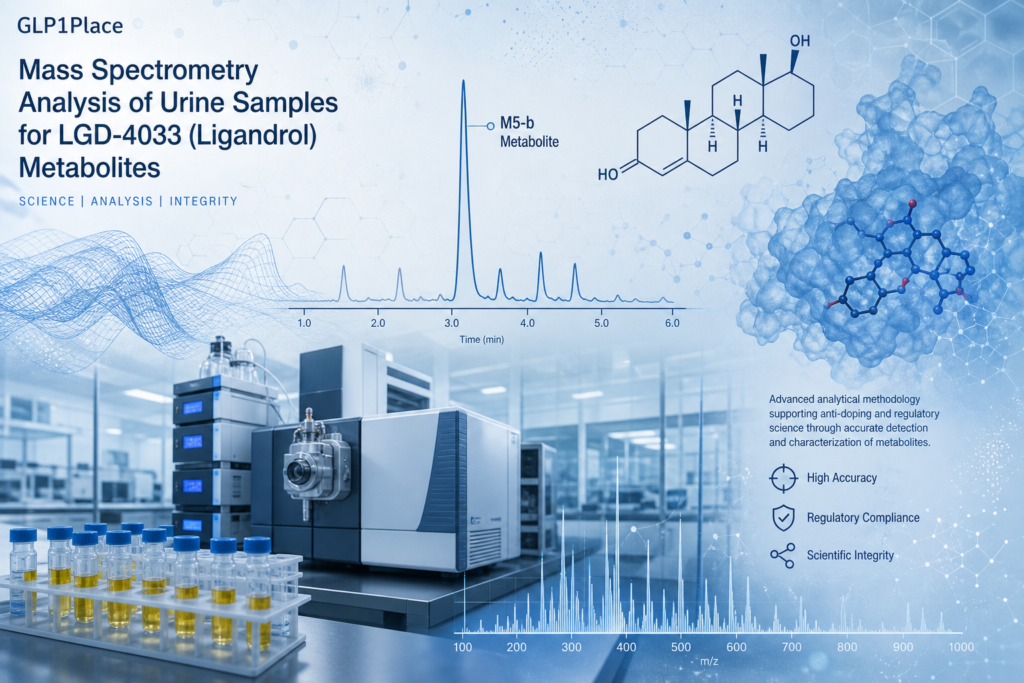
Illustration representing tirzepatide cardiovascular risk research and the three-year SURMOUNT-1 analysis
GLP-1 Research

Tirzepatide Cardiovascular Risk: What the 3-Year SURMOUNT-1 Analysis Shows

A new three-year analysis of SURMOUNT-1 suggests tirzepatide may lower predicted cardiovascular risk in adults with obesity or overweight and prediabetes. The findings are encouraging, but they are based on a risk model rather than a dedicated cardiovascular-outcomes trial, so they do not yet establish that tirzepatide prevents heart attacks, strokes, or cardiovascular death.

Laboratory analysis of LGD-4033 ligandrol metabolite detection using mass spectrometry
Research News

LGD-4033 Metabolite Detection: Why New Testing Data Matters for SARMs

A new peer-reviewed study has quantified the long-term urinary metabolite M5-b of LGD-4033, also known as ligandrol, after controlled human micro-dose administration. The findings show dose-dependent excretion, several-day detection after a single exposure, and prolonged detectability after consecutive administration. The work does not make LGD-4033 safer or legal, but it gives anti-doping laboratories a stronger basis for interpreting low-level SARM findings and distinguishing possible exposure patterns.

Clinical research illustration showing TERN-601 oral GLP-1 weight-loss data alongside liver safety signals
GLP-1 Research

TERN-601 Obesity Trial: Why Liver Safety Ended the Oral GLP-1 Program

The TERN-601 obesity trial delivered a useful warning for the next generation of oral GLP-1 medicines. The once-daily nonpeptide agonist produced dose-dependent weight loss, appetite suppression, and delayed gastric emptying in early clinical studies. But three Phase 2 participants developed liver-enzyme elevations consistent with potential drug-induced liver injury, including one potential Hy’s Law case. The program was discontinued, making TERN-601 an important case study in why oral GLP-1 development is about more than convenience and weight-loss efficacy.

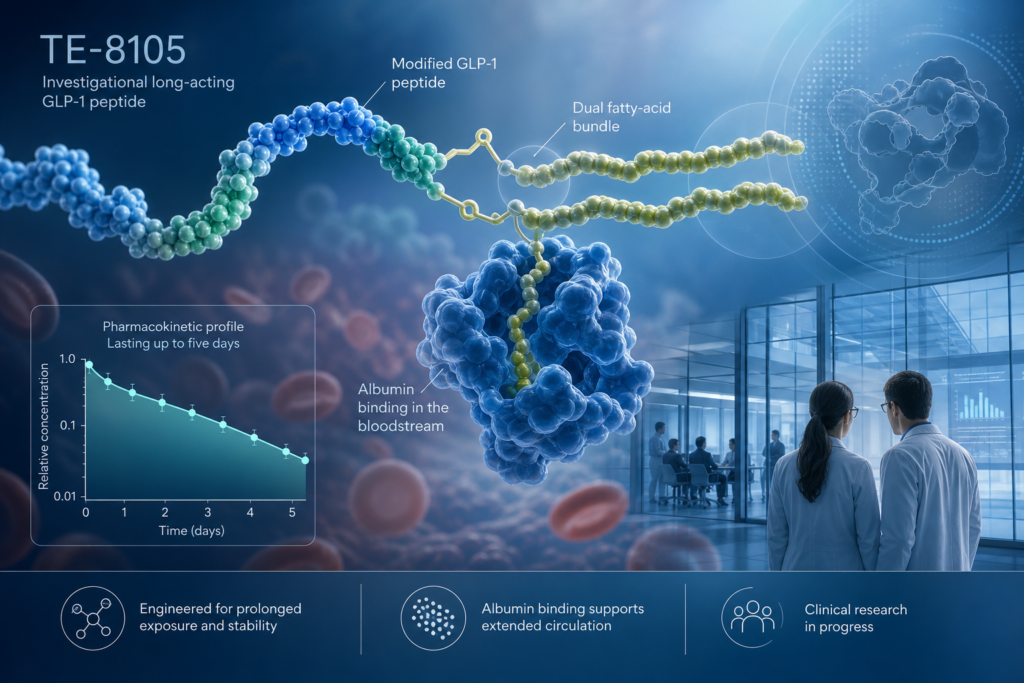
Scientific illustration explaining TE-8105 long-acting GLP-1 design, albumin binding, and extended half-life
GLP-1 Research

TE-8105 Long-Acting GLP-1: What the First Human Trial Found

A first-in-human study published July 30, 2026, provides the first peer-reviewed clinical data on TE-8105, an investigational long-acting GLP-1 receptor agonist designed for less frequent dosing. The small Phase 1/2a study found a plasma half-life of approximately 120 hours, early weight-loss signals, and mostly mild gastrointestinal adverse events. The findings are technically important, but they remain preliminary and cannot establish efficacy, long-term safety, or regulatory approval.

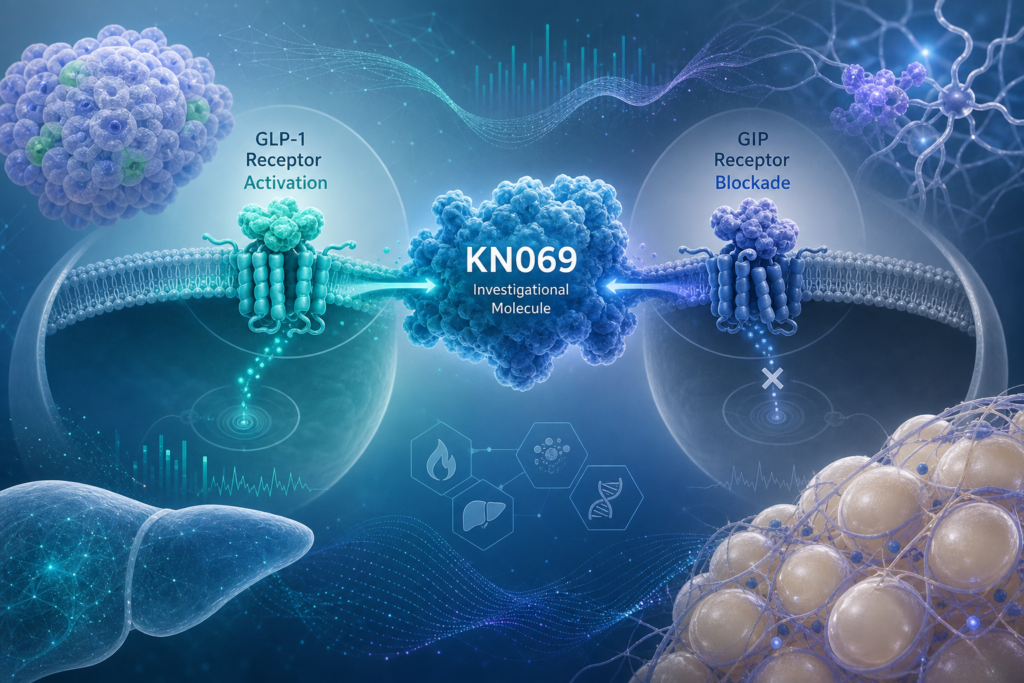
Scientific illustration explaining the KN069 GLP-1 agonist and GIP antagonist mechanism
GLP-1 Research

KN069 Obesity Trial: What Early GLP-1/GIP Blockade Data Shows

A first-in-human phase 1 study of KN069 introduces an unusual obesity-drug design: stimulating the GLP-1 receptor while blocking the GIP receptor. The early trial found dose-related weight reduction, a very long pharmacokinetic tail, and mostly mild-to-moderate gastrointestinal adverse events. The results are scientifically important because they challenge the assumption that more GIP activity is always better, but they remain preliminary and limited to a small group of Chinese men.

Research Tools
Scroll to Top