
Research articles on GLP-1 medicines, peptides, nootropics, laboratory education, and grey-market quality are collected here in one current library. Browse by topic, read the latest publication cards, and expand the research context section when you want the evidence standards and editorial approach behind the summaries. Every article is educational research reference material—not medical advice, a treatment recommendation, or a substitute for a qualified clinician or the original study.
Latest research articles
-

FDA’s Peptide Crackdown Keeps Growing: Inside the 2026 Warning Letter Wave
Since November 2025, the FDA has sent over 50 warning letters to online peptide sellers in three coordinated waves. Here’s what the agency is actually targeting, using real letters as case studies.
-
Meet Aleniglipron: The Small-Molecule GLP-1 Pill That Just Posted 12% Weight Loss in Trials
Structure Therapeutics’ experimental pill aleniglipron just delivered strong Phase 2b weight-loss data. Here’s why its small-molecule design matters and how it stacks up against the GLP-1 pills already on shelves.
-
Wegovy for Fatty Liver Disease, One Year In: What the MASH Approval Actually Changed
A year after Wegovy became the first GLP-1 approved for MASH, new AASLD clinical guidance and real prescribing data show what the ESSENCE trial results actually mean for the millions of Americans with fatty liver disease.
-

Tirzepatide Cardiovascular Risk: What the 3-Year SURMOUNT-1 Analysis Shows
A new three-year analysis of SURMOUNT-1 suggests tirzepatide may lower predicted cardiovascular risk in adults with obesity or overweight and prediabetes. The findings are encouraging, but they are based on a risk model rather than a dedicated cardiovascular-outcomes trial, so they do not yet establish that tirzepatide prevents heart attacks, strokes, or cardiovascular death.
-
The Full Oral GLP-1 Lineup: Comparing Every Weight-Loss Pill in 2026
Oral semaglutide, Foundayo, and a pipeline of small-molecule challengers are all fighting for the same needle-averse patient. Here’s how every oral GLP-1 option compares, dosing rules and all.
-
BPC-157’s Long Road Back: Where the FDA Bulk Drug List Process Actually Stands
BPC-157 just cleared a real hurdle — a favorable PCAC committee vote toward FDA’s 503A Bulk Drugs List — but it’s still not formally authorized for compounding. Here’s the full regulatory timeline and what’s still ahead.
-

The FDA Is Closing the Door on Bulk-Compounded GLP-1s — Here’s Where That Stands
The FDA’s proposal to exclude semaglutide, tirzepatide, and liraglutide from the 503B bulks list just finished its comment period. Here’s what changes, what doesn’t, and why the shortage-era compounding market is ending.
-
How to Read a GLP-1 Clinical Trial Like a Scientist (Without a Science Degree)
Every GLP-1 headline throws around a weight-loss percentage. Here’s how to actually read the trial behind it — phases, placebo adjustment, endpoints, and the tricks press releases use to make numbers look bigger than they are.
-
Peptide Research 101: A 2026 Beginner’s Orientation to a Fast-Moving Field
New to research peptides in 2026? Start here — a practical orientation covering what research peptides actually are, the current legal landscape, how to evaluate vendors, and where to go next.
-
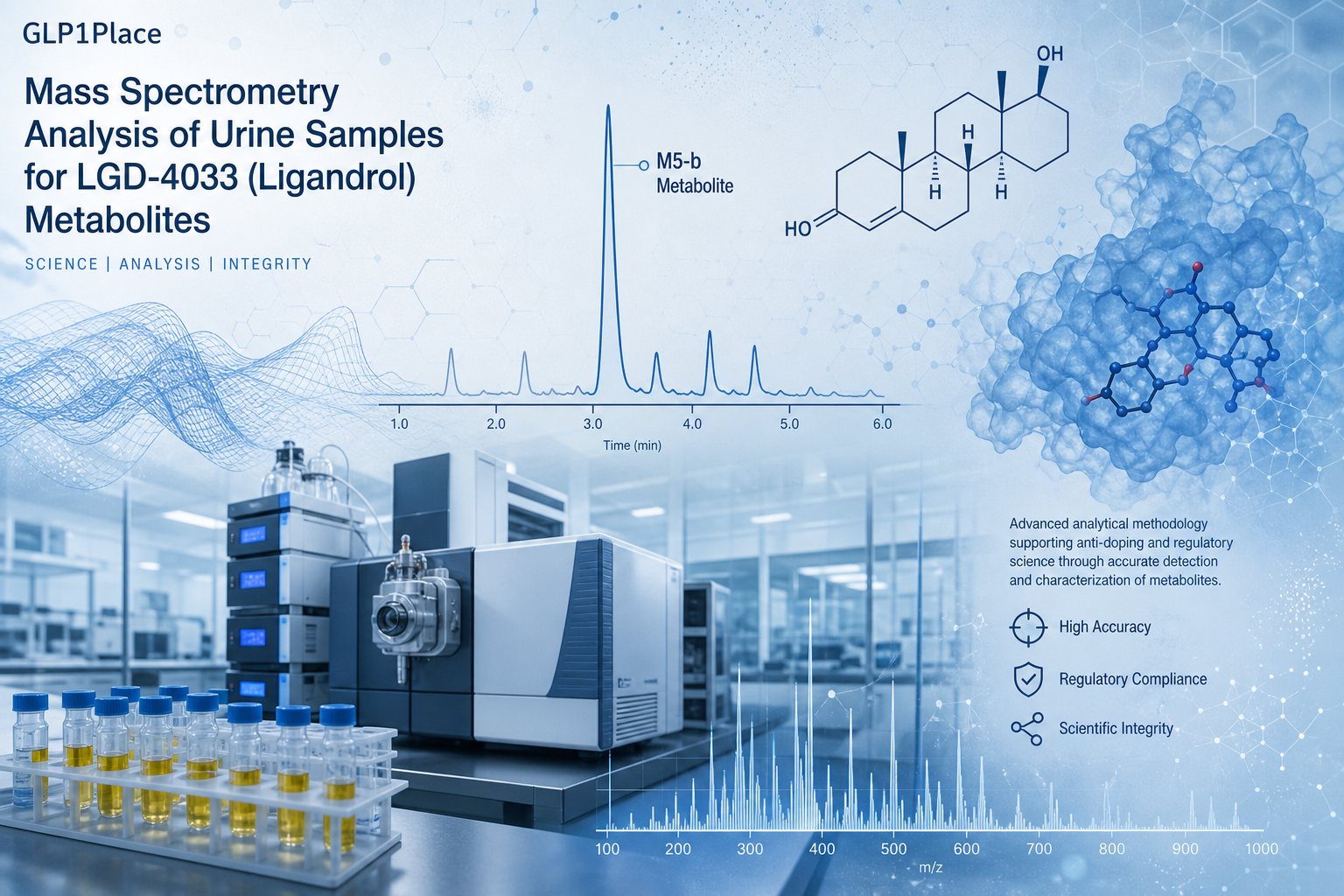
LGD-4033 Metabolite Detection: Why New Testing Data Matters for SARMs
A new peer-reviewed study has quantified the long-term urinary metabolite M5-b of LGD-4033, also known as ligandrol, after controlled human micro-dose administration. The findings show dose-dependent excretion, several-day detection after a single exposure, and prolonged detectability after consecutive administration. The work does not make LGD-4033 safer or legal, but it gives anti-doping laboratories a stronger…
Research context, evidence standards, and editorial approach

How to Use These Research Articles
Start with the topic links above to narrow the library, then open an article that matches your question. Compound profiles provide a quick orientation to names, mechanisms, research status, and linked literature, while full research articles explain study design, reported outcomes, and important limitations in more detail. Use publication dates and categories to understand context, and follow source links when you need to check the underlying paper, regulatory notice, or public record.
How We Read the Evidence
A finding in a randomized human trial does not carry the same weight as an observational association, an animal experiment, or an in-vitro result. When reading research articles, check the population, comparison group, sample size, follow-up period, measured endpoint, and whether the result was a primary or exploratory analysis. A plausible mechanism can explain why a compound is being studied, but it cannot establish human safety or efficacy by itself. We also separate approved medicines from investigational compounds and research-use-only materials so readers do not confuse biological interest with regulatory status.
Questions to Ask Before Drawing a Conclusion
- Was the study conducted in humans, animals, cells, or a laboratory model?
- Was there a control or comparison group, and was the study large enough to support the claim?
- Does the reported endpoint measure a meaningful outcome or only a short-term marker?
- Are the results peer reviewed, publicly registered, and reproducible?
- Does the article link to the primary source so the methods and limitations can be checked?
- What remains unknown, especially about long-term safety, product quality, or generalizability?
Editorial Approach and Primary Sources
GLP1Place aims to make technical research easier to follow without turning uncertain findings into promises. Articles identify whether evidence is clinical, observational, preclinical, mechanistic, or regulatory, and they use cautious language when a study cannot establish cause and effect. For primary literature, compare the article summary with PubMed research results and the original publication whenever a claim matters. Sources may change over time, so readers should verify current notices and consult qualified professionals for personal medical decisions.
Keeping Research Current
Research moves quickly, especially in obesity medicine, peptide science, cognitive research, and product-quality oversight. A newer paper may add context without overturning every earlier finding, while an agency alert or later correction can change how a claim should be understood. For that reason, this Blog page is organized as a living research library rather than a static list of conclusions. Check publication dates, read the most recent update when available, and treat headlines as a guide to the evidence—not as proof that a compound works, is safe, or is appropriate for a particular person. This page also connects related topics so readers can compare clinical research with preclinical studies and regulatory reporting in the same subject area.
Educational and research reference only: the information on GLP1Place is not medical advice, a diagnosis, or a treatment recommendation.
Use category archives to compare related reports and compound profiles; the date, category, and source context help explain how each item fits the broader research record. When a claim matters, start with the linked primary source and the relevant regulatory notice.