

How Peptides Work in Skin: The Science Behind Topical Research
Skin peptides are among the most-studied cosmetic ingredients. Here is what published research shows about mechanisms, penetration, and cellular signaling.

Skin peptides are among the most-studied cosmetic ingredients. Here is what published research shows about mechanisms, penetration, and cellular signaling.
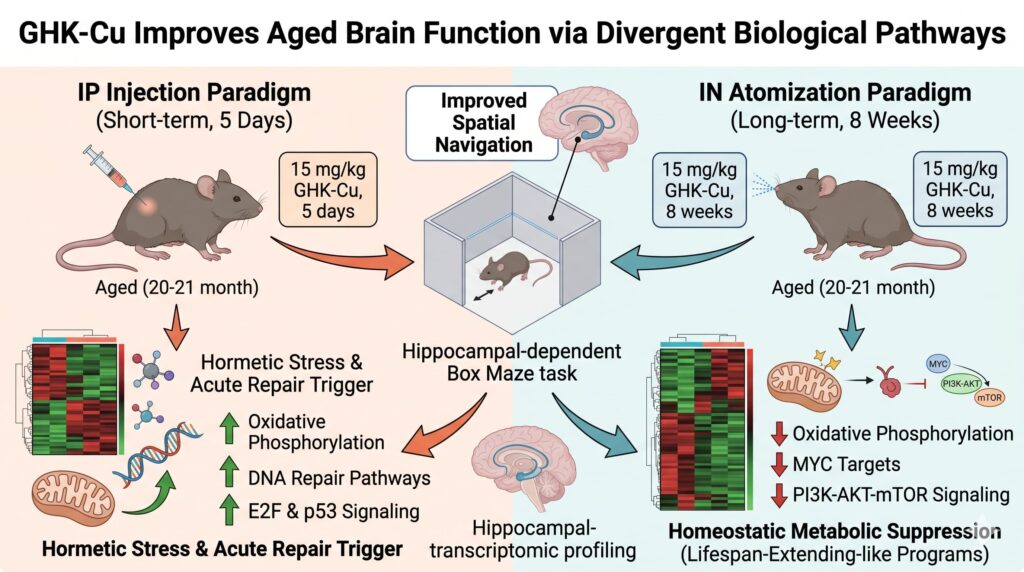
A research literature overview of GHK-Cu (copper peptide): its natural occurrence, collagen and ECM research findings, anti-inflammatory properties, and regulatory context.
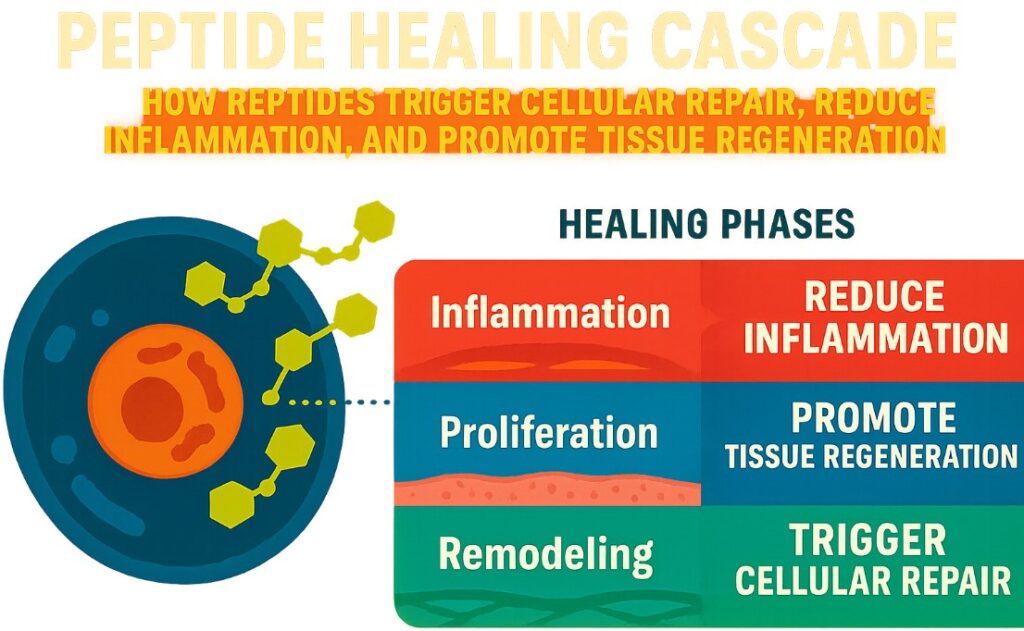
Multiple peptides studied in tissue repair research target overlapping stages of the healing cascade. This overview maps the biology and where research compounds have been investigated.
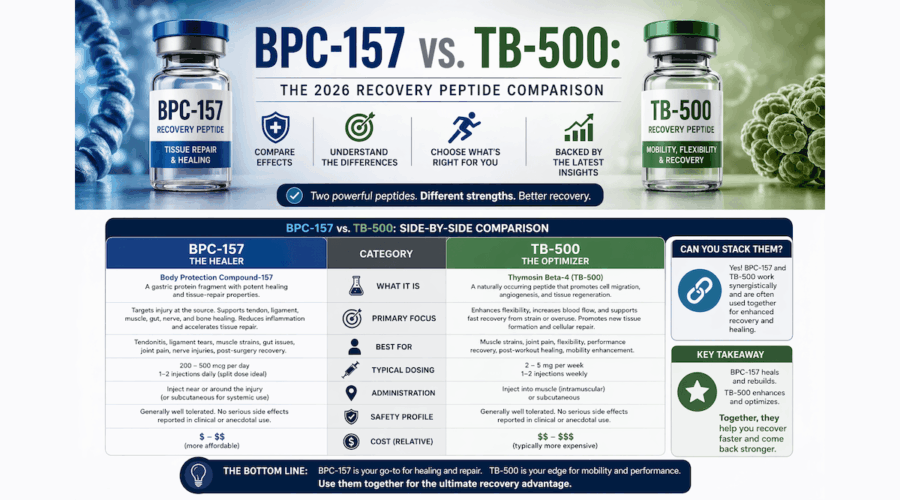
A side-by-side research overview of BPC-157 and TB-500 — their distinct mechanisms, primary research areas, molecular profiles, and how they compare in the published literature.
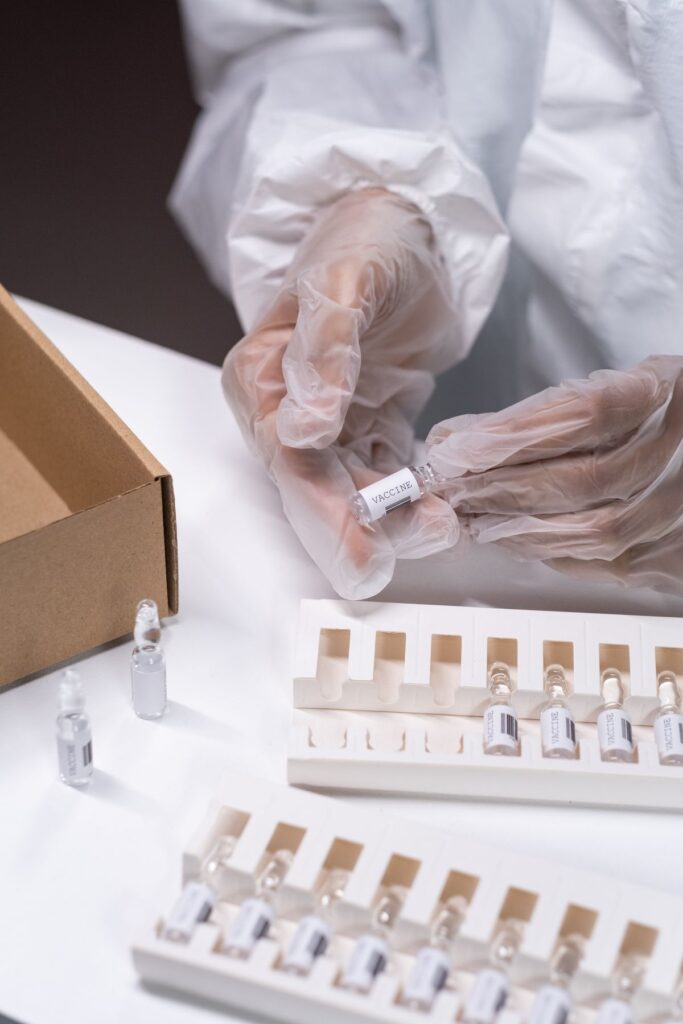
BPC-157 has accumulated substantial preclinical literature. This overview covers documented mechanisms, study findings, and important limitations of the existing evidence.

Most research peptides require reconstitution before use in laboratory settings. This guide covers the basic lab science behind peptide reconstitution, handling, and storage.

The research peptide market includes both reputable suppliers and outright scams. This guide details the specific red flags, verification steps, and warning signs to evaluate before purchasing.

How to identify low-quality or fraudulent research peptide vendors: COA requirements, red flags in pricing and claims, and what independent testing data reveals about market quality.
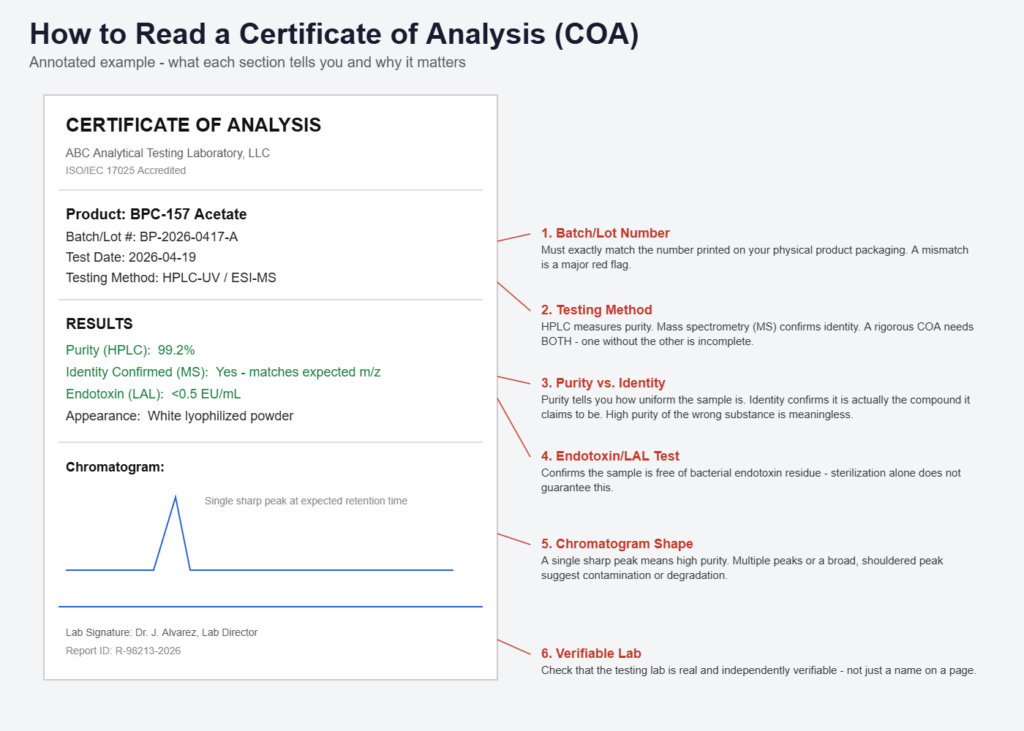
A Certificate of Analysis is the primary quality document for research peptides. This guide explains what each section means and what red flags to watch for.
RUO is a regulatory designation that shapes how research compounds can be sold and discussed. Here is what it actually means.