

NAD+ and Longevity Research: What Published Studies Report
NAD+ has emerged as a central molecule in aging biology research. This overview covers the science behind NAD+ decline, precursor research, and what human studies have reported.

NAD+ has emerged as a central molecule in aging biology research. This overview covers the science behind NAD+ decline, precursor research, and what human studies have reported.

Research overview of NAD+ — its role in mitochondrial energy production, the sirtuin connection, age-related decline, precursor compounds studied in trials, and current human evidence.

SS-31 (elamipretide) is one of the few mitochondria-targeted peptides with human clinical trial data. This research overview covers its mechanism and published findings.
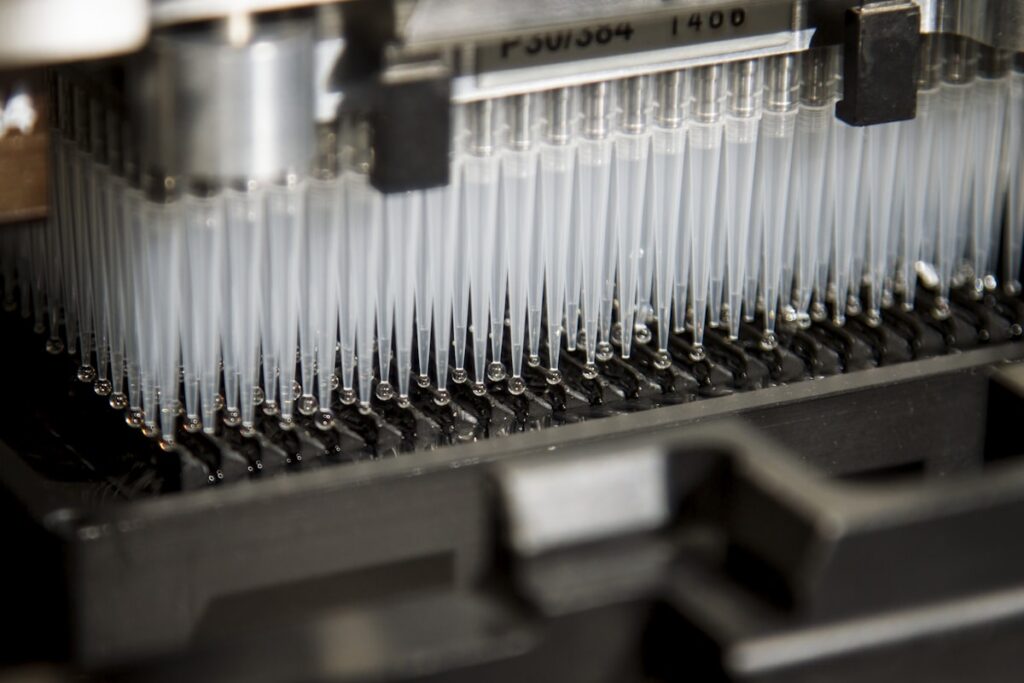
Several peptides have been studied for their effects on mitochondrial biology. This overview covers SS-31, MOTS-c, Humanin, and the research findings behind each.

Biohacking culture has popularized research compounds. This overview examines evidence standards, risk considerations, and the legitimate science behind investigational compounds.
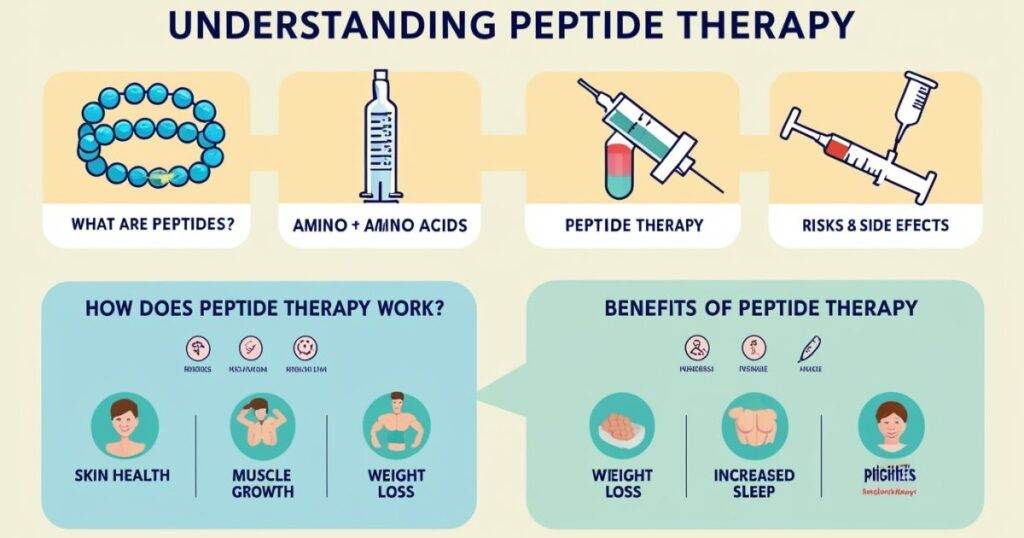
Peptide-based research has grown substantially in the past two decades. This overview maps the major research areas, compound categories, and what the evidence base currently supports.
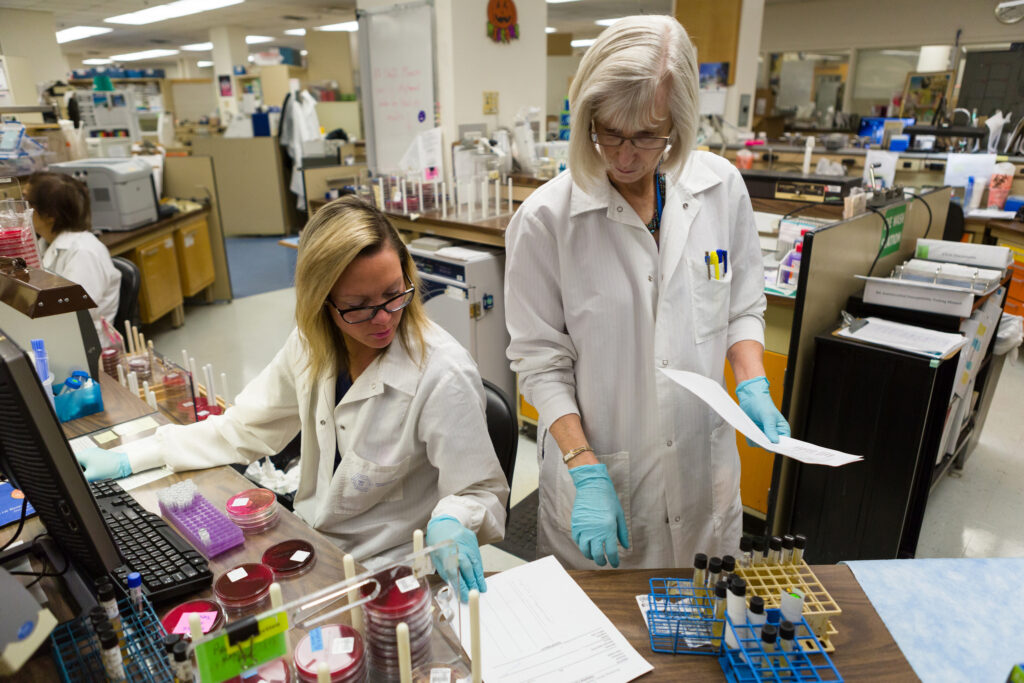
An educational overview of peptide research areas relevant to female physiology — including metabolic function, skin biology, hormonal health, and recovery.
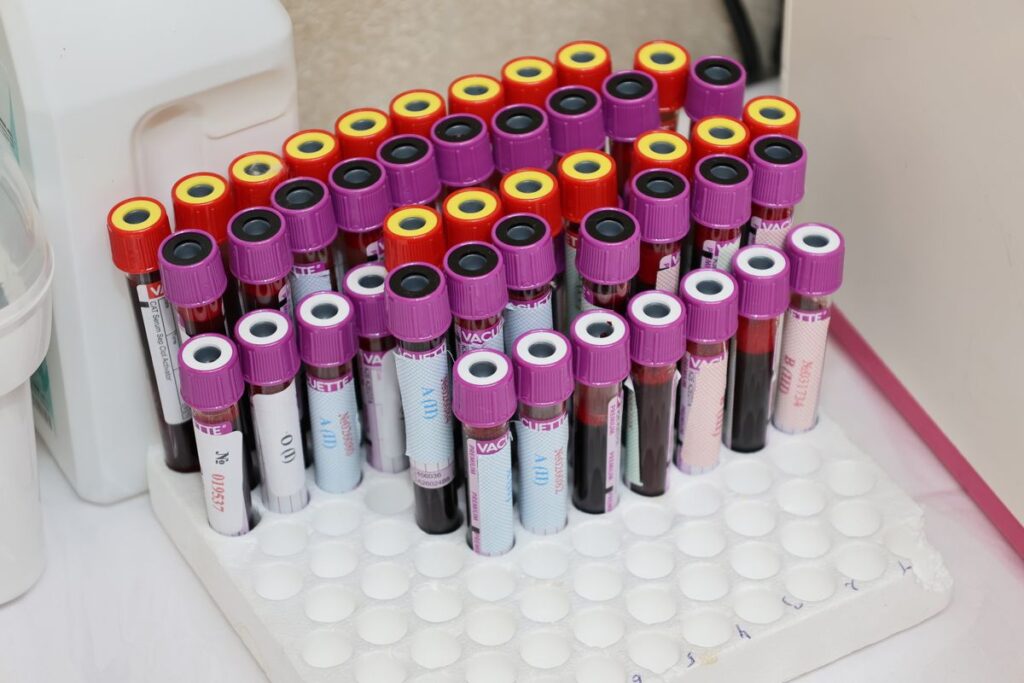
Combining multiple research peptides is common in biohacking communities. This overview examines what, if any, published research exists on combination peptide protocols.

Chronic cortisol elevation affects nearly every tissue system. Research has examined how certain peptides interact with the HPA axis and stress biology.
Microneedling creates transient microchannels in the skin that may enhance peptide penetration. This overview covers published research on microneedling-assisted peptide delivery.