Author name: GLP1Place Research Team

Illustration of petrelintide amylin biology and the ZUPREME-1 Phase 2 obesity trial
GLP-1 Research

Petrelintide Phase 2 Trial: What ZUPREME-1 Found

The ZUPREME-1 Phase 2 publication reports that the investigational once-weekly amylin analogue petrelintide produced up to 10.7% mean weight loss at week 42 versus 1.7% with placebo in 493 adults with obesity or overweight. The placebo-controlled trial also reported nausea more often with petrelintide, while direct comparisons with GLP-1 medicines remain unavailable.

Illustration explaining phase 3 retatrutide obesity trial results and triple-receptor biology
GLP-1 Research

Retatrutide Phase 3 Obesity Trial: What TRIUMPH-1 Shows

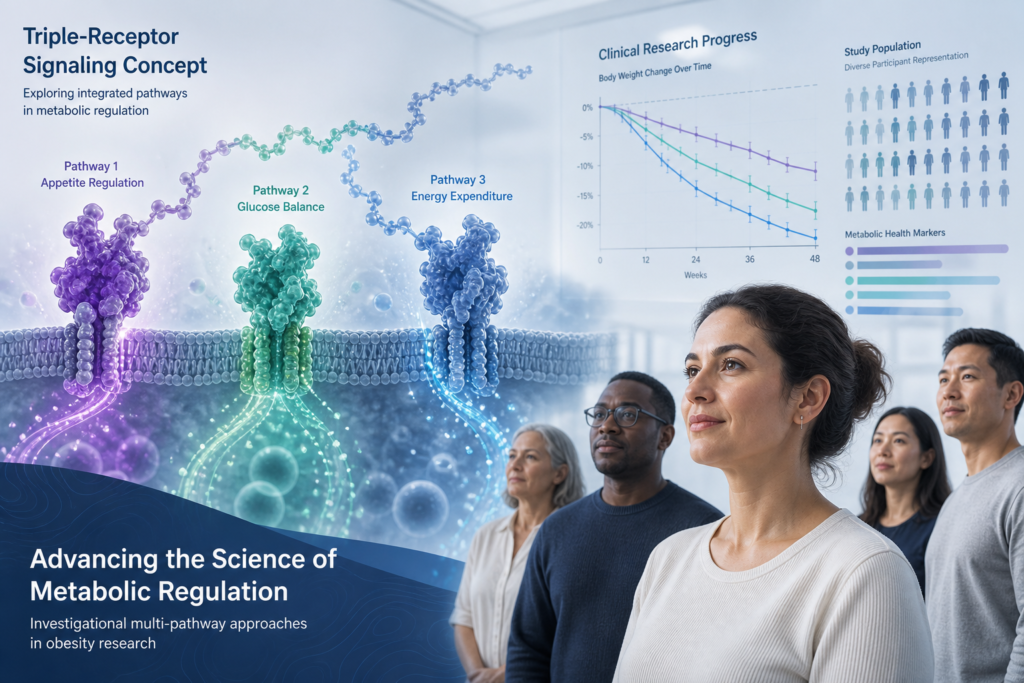
The September 29, 2026 New England Journal of Medicine publication of TRIUMPH-1 provides the first detailed peer-reviewed phase 3 results for retatrutide in obesity. In 2,339 adults without diabetes, the investigational triple agonist produced dose-dependent weight loss over 80 weeks, while prespecified subgroups reported improvements in knee osteoarthritis pain and obstructive sleep apnea. The findings are substantial, but they do not establish FDA approval, long-term cardiovascular benefit, or superiority over approved medicines in a head-to-head trial.

Scientific illustration representing the ribupatide HRS9531 first-in-human clinical trial
GLP-1 Research

Ribupatide First-In-Human Trial: What the HRS9531 Data Shows

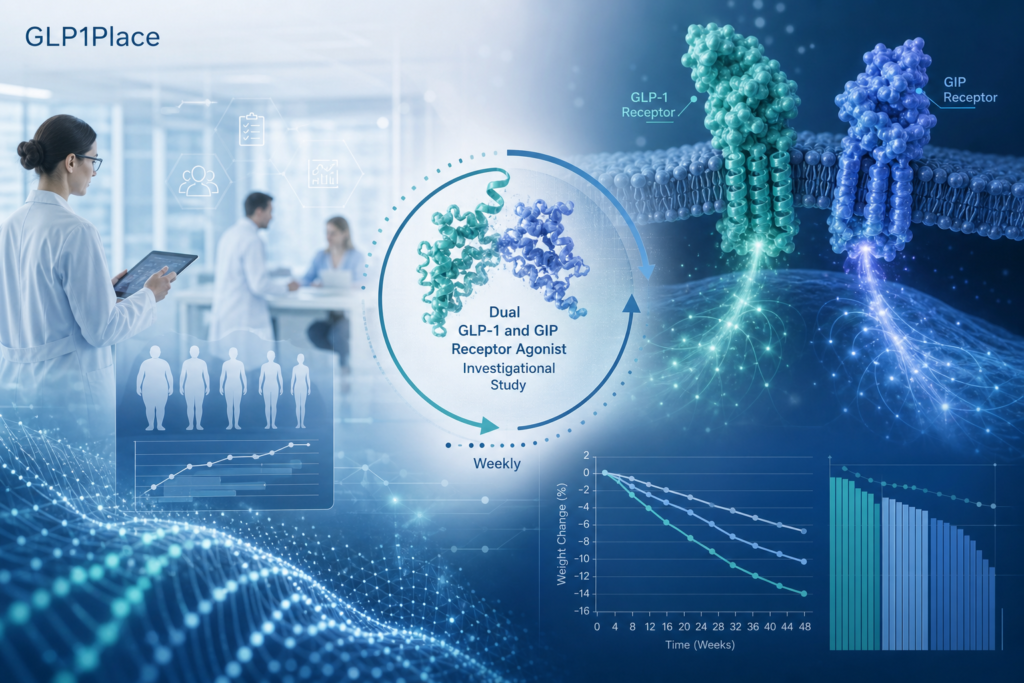
A September 2026 peer-reviewed study provides the first detailed human data on ribupatide, also known as HRS9531. The dual GLP-1/GIP receptor agonist was tested in 90 healthy Chinese adults across single- and multiple-ascending-dose cohorts. After four weekly doses, mean weight loss ranged from 4.3 to 7.7 kilograms, while no serious treatment-emergent adverse events or deaths were reported. The findings are early phase 1 evidence, not proof of long-term obesity-treatment effectiveness.

Scientific illustration representing the safiglipron phase 3 trial and oral GLP-1 research
GLP-1 Research

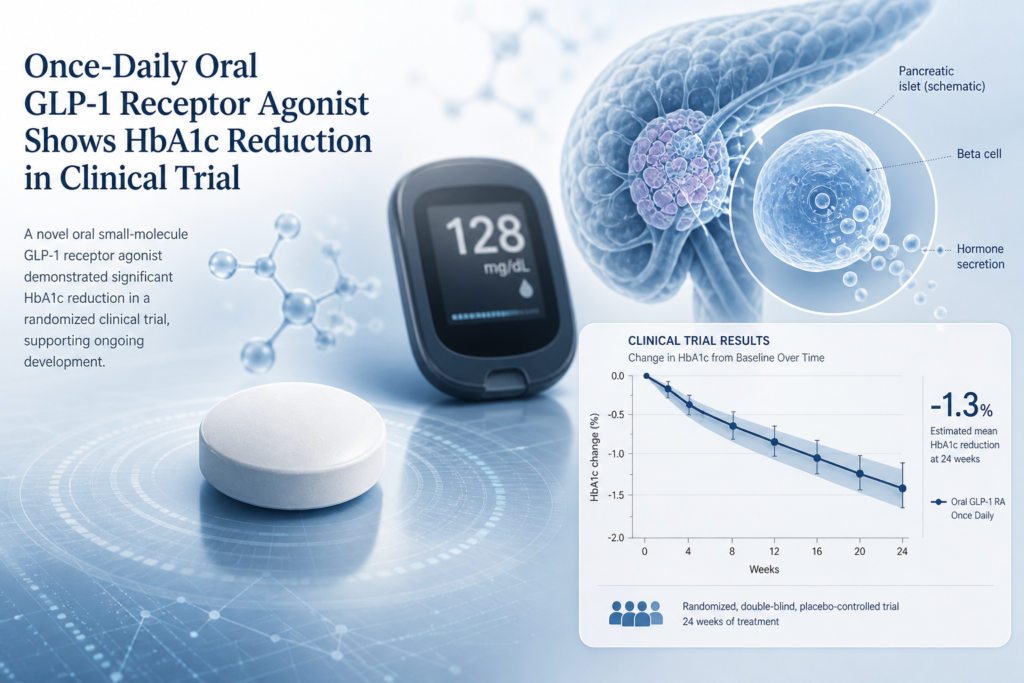
Safiglipron Phase 3 Trial: What the New Oral GLP-1 Data Shows

The phase 3 OUTSTAND-1 trial provides the strongest human evidence yet for safiglipron, an oral small-molecule GLP-1 receptor agonist formerly known as HRS-7535. In 284 Chinese adults with early type 2 diabetes, once-daily safiglipron produced placebo-adjusted HbA1c reductions of 1.20 to 1.45 percentage points after 32 weeks. The trial also tested an important practical advantage: unlike oral semaglutide, the tablet was studied without fasting or special food and water rules. However, gastrointestinal adverse events were common, weight loss was modest compared with obesity-focused GLP-1 trials, and the results do not yet establish cardiovascular or kidney-outcome benefits.

Scientific illustration of satoprodil GluN2B NMDA antidepressant research and phase 2 trial results
Nootropics & Cognitive Research

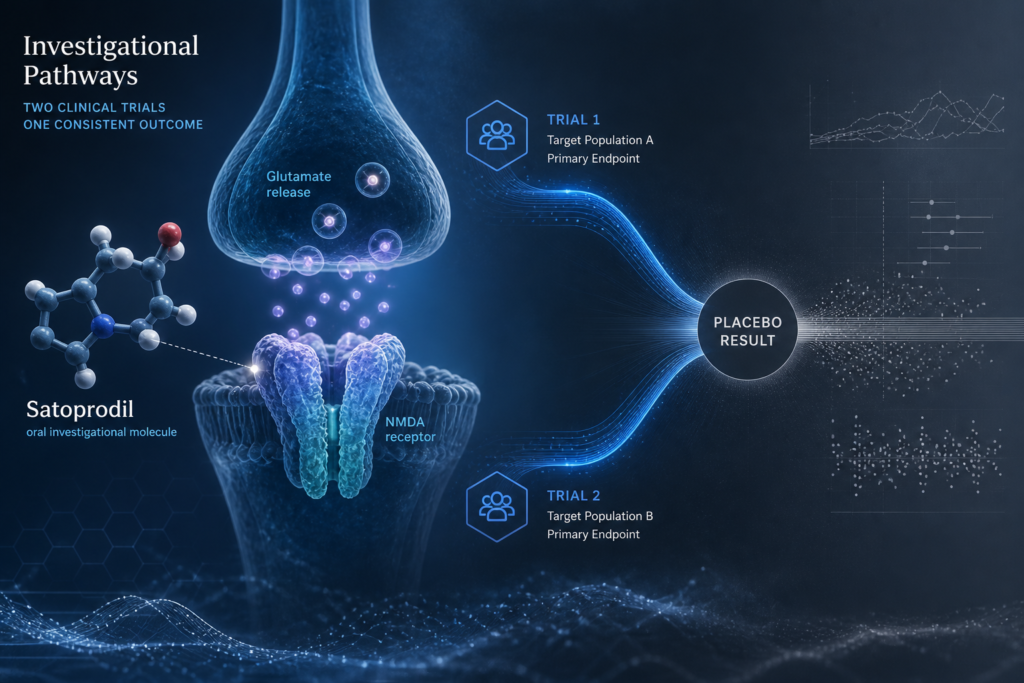
Satoprodil Phase 2 Depression Trials: Why the GluN2B Strategy Failed to Beat Placebo

Two randomized phase 2 trials published in Neuropsychopharmacology on September 5, 2026 found that satoprodil, also known as BI 1569912, did not reduce depressive symptoms beyond placebo when used alone or alongside standard antidepressants. The result is an important test of non-ketamine glutamate drug development: the compound was generally tolerated, but the GluN2B-selective mechanism did not deliver a meaningful antidepressant signal in these studies.

Research Tools
Scroll to Top