GLP-1 Research

Published research summaries and educational context for GLP-1 receptor agonists including semaglutide, tirzepatide, and related compounds.

Scientific illustration representing the ribupatide HRS9531 first-in-human clinical trial
GLP-1 Research

Ribupatide First-In-Human Trial: What the HRS9531 Data Shows

A September 2026 peer-reviewed study provides the first detailed human data on ribupatide, also known as HRS9531. The dual GLP-1/GIP receptor agonist was tested in 90 healthy Chinese adults across single- and multiple-ascending-dose cohorts. After four weekly doses, mean weight loss ranged from 4.3 to 7.7 kilograms, while no serious treatment-emergent adverse events or deaths were reported. The findings are early phase 1 evidence, not proof of long-term obesity-treatment effectiveness.

Scientific illustration representing the safiglipron phase 3 trial and oral GLP-1 research
GLP-1 Research

Safiglipron Phase 3 Trial: What the New Oral GLP-1 Data Shows

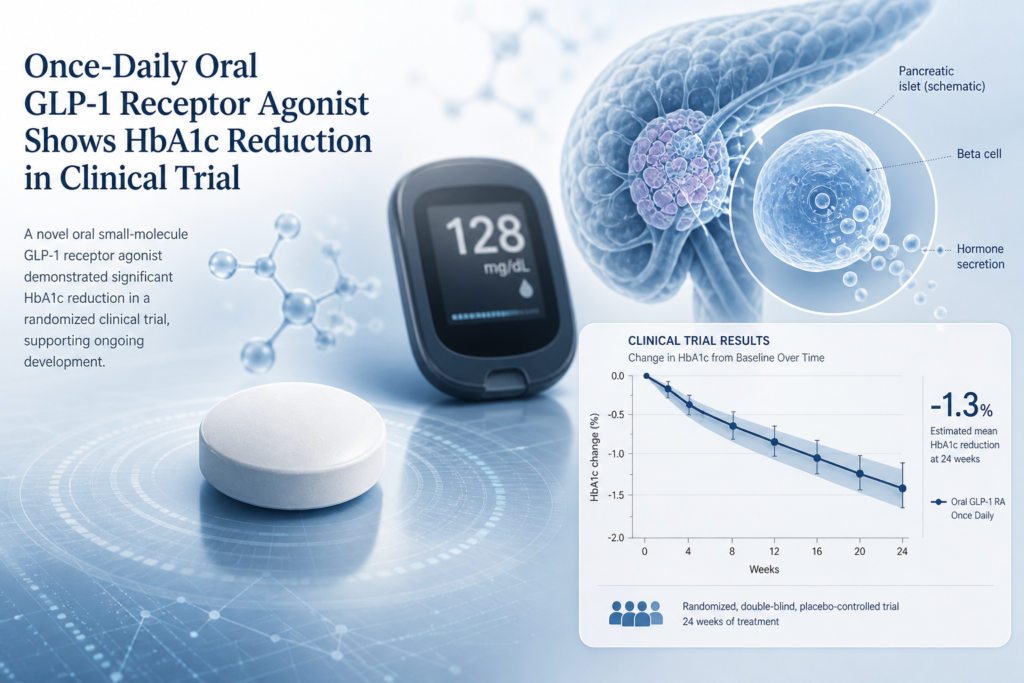
The phase 3 OUTSTAND-1 trial provides the strongest human evidence yet for safiglipron, an oral small-molecule GLP-1 receptor agonist formerly known as HRS-7535. In 284 Chinese adults with early type 2 diabetes, once-daily safiglipron produced placebo-adjusted HbA1c reductions of 1.20 to 1.45 percentage points after 32 weeks. The trial also tested an important practical advantage: unlike oral semaglutide, the tablet was studied without fasting or special food and water rules. However, gastrointestinal adverse events were common, weight loss was modest compared with obesity-focused GLP-1 trials, and the results do not yet establish cardiovascular or kidney-outcome benefits.

FDA GLP-1 generic drug workshop showing peptide quality testing, injector compatibility, and regulatory review
GLP-1 Research

FDA GLP-1 Generic Drug Workshop Clarifies Quality Questions for Semaglutide and Tirzepatide

The FDA’s September 23–24, 2026 workshop on the GLP-1 generic drug pathway marks a major regulatory shift from broad policy statements toward detailed scientific expectations. FDA and academic experts addressed peptide sameness, impurity profiling, immunogenicity, oral delivery, injector compatibility, human factors, and bioequivalence. The event does not mean generic semaglutide or tirzepatide is approved, but it shows how regulators are preparing for a larger wave of complex peptide competition.

BGM0504 phase 2 obesity trial showing dose-dependent weight loss from an investigational dual GLP-1/GIP agonist
GLP-1 Research

BGM0504 Phase 2 Obesity Trial: Dual GLP-1/GIP Results

A peer-reviewed phase 2 trial published September 17, 2026, found that once-weekly BGM0504 produced dose-dependent weight loss of up to 18.33% at 24 weeks in Chinese adults with overweight or obesity without diabetes. The dual GLP-1/GIP agonist produced a substantial placebo-controlled signal, but the 120-person study, short follow-up, specific population, and frequent gastrointestinal adverse events leave important questions for larger trials.

Semaglutide food reward study showing sustained calorie reduction over 60 weeks
GLP-1 Research

Semaglutide Food Reward Study: Why Calorie Reduction Lasted 60 Weeks

A 60-week randomized controlled trial provides unusually detailed evidence about how semaglutide changes eating behavior over time. Participants receiving semaglutide 2.4 mg consumed fewer calories at weeks 20, 40, and 60, while some subjective appetite and food-reward effects became less distinct after the first 20 weeks. The findings help explain why reduced energy intake can persist even when people no longer report the same intensity of appetite suppression.

FDA review finds no increased suicide risk with GLP-1 drugs
GLP-1 Research

FDA Removes Suicide Warning From GLP-1 Drugs: Evidence

The FDA’s January 13, 2026 decision to request removal of suicidal ideation and behavior warnings from certain GLP-1 drug labels closes a major safety question that began with postmarketing reports in 2023. The agency said its review of clinical trials, observational studies, pooled analyses, and case reports found no increased risk of suicidal thoughts or behavior associated with GLP-1 receptor agonists. This evidence-first analysis explains what changed, what the FDA actually concluded, why the warning existed, and what the decision does—and does not—mean for semaglutide, liraglutide, tirzepatide, and the next generation of obesity medicines.

Illustration of UBT251 triple agonist research targeting GLP-1, GIP, and glucagon receptors
GLP-1 Research

UBT251 Phase 1 Trial: Novo’s Triple Agonist Shows Rapid Weight Loss

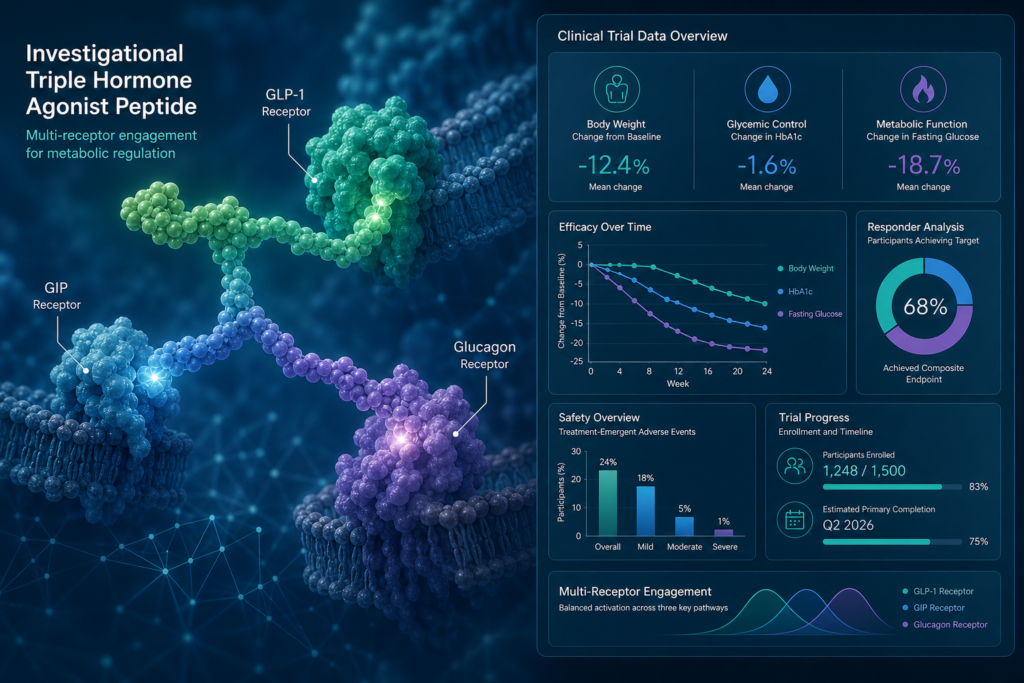
A first-in-human UBT251 phase 1a/1b trial published September 8, 2026, provides the clearest peer-reviewed human data yet on Novo Nordisk’s licensed GLP-1/GIP/glucagon triple agonist. Participants with overweight or obesity receiving once-weekly UBT251 lost an average of 8.96 to 13.48 kilograms over 12 weeks, while placebo participants gained 1.57 kilograms. The study also reported reductions in glucose and lipid measures, generally acceptable tolerability, and approximately linear pharmacokinetics. The results are significant because they move UBT251 from a largely China-based development story into published first-in-human evidence, while also showing why the drug cannot yet be compared directly with approved obesity medicines or late-stage retatrutide data.

Research Tools
Scroll to Top