
Research articles on GLP-1 medicines, peptides, nootropics, laboratory education, and grey-market quality are collected here in one current library. Browse by topic, read the latest publication cards, and expand the research context section when you want the evidence standards and editorial approach behind the summaries. Every article is educational research reference material—not medical advice, a treatment recommendation, or a substitute for a qualified clinician or the original study.
Latest research articles
-

How Peptides Work in Skin: The Science Behind Topical Research
Skin peptides are among the most-studied cosmetic ingredients. Here is what published research shows about mechanisms, penetration, and cellular signaling.
-
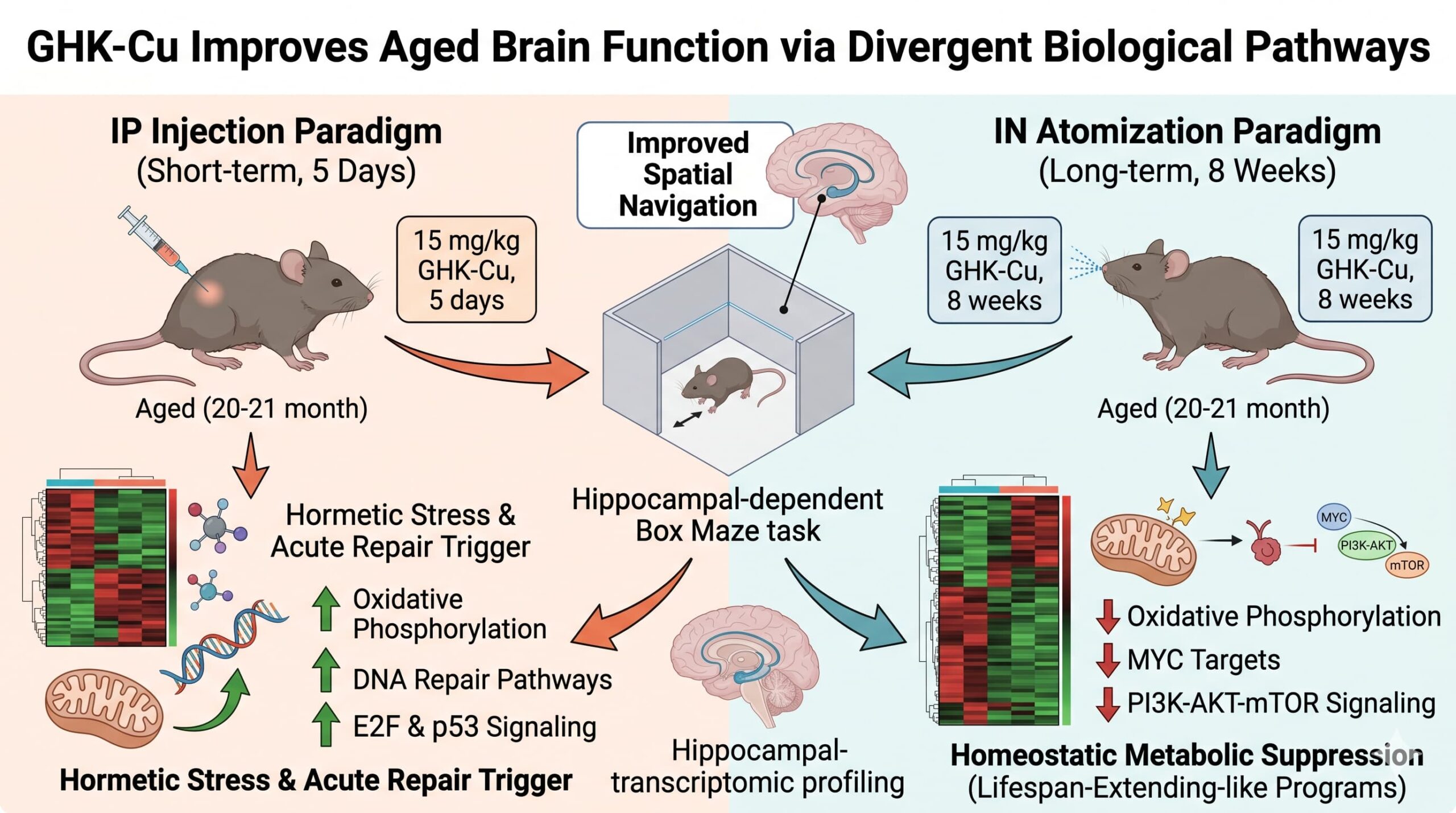
GHK-Cu and Skin Research: What the Published Literature Shows
A research literature overview of GHK-Cu (copper peptide): its natural occurrence, collagen and ECM research findings, anti-inflammatory properties, and regulatory context.
-
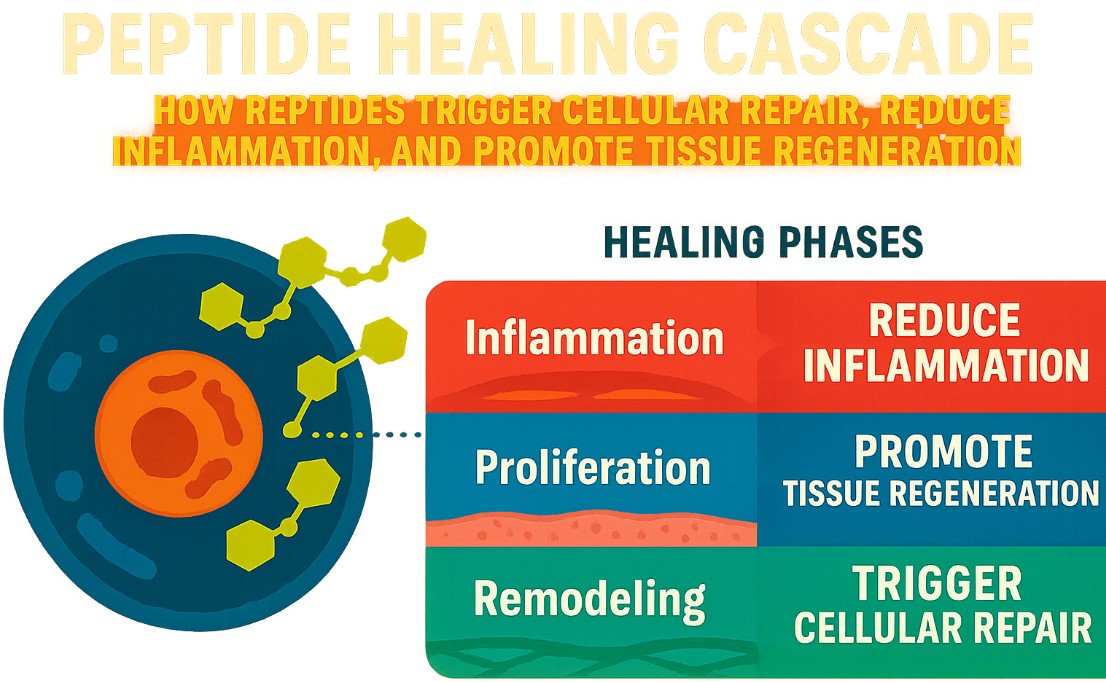
Peptide Healing Cascade: How Tissue Repair Research Compounds Work
Multiple peptides studied in tissue repair research target overlapping stages of the healing cascade. This overview maps the biology and where research compounds have been investigated.
-
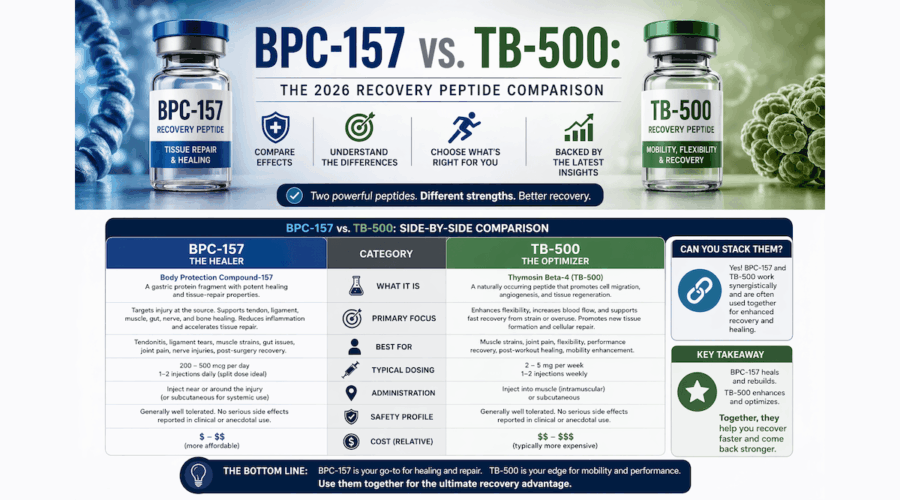
BPC-157 vs TB-500: A Comparative Research Overview
A side-by-side research overview of BPC-157 and TB-500 — their distinct mechanisms, primary research areas, molecular profiles, and how they compare in the published literature.
-

BPC-157 Research Overview: Mechanisms, Animal Studies, and Evidence Assessment
BPC-157 has accumulated substantial preclinical literature. This overview covers documented mechanisms, study findings, and important limitations of the existing evidence.
-

Injectable Research Peptides: Lab Handling, Reconstitution, and Safety Basics
Most research peptides require reconstitution before use in laboratory settings. This guide covers the basic lab science behind peptide reconstitution, handling, and storage.
-

Peptide Scams: How to Identify Low-Quality or Fraudulent Research Compound Suppliers
The research peptide market includes both reputable suppliers and outright scams. This guide details the specific red flags, verification steps, and warning signs to evaluate before purchasing.
-

How to Spot Peptide Scams: Red Flags in the Research Compound Market
How to identify low-quality or fraudulent research peptide vendors: COA requirements, red flags in pricing and claims, and what independent testing data reveals about market quality.
-
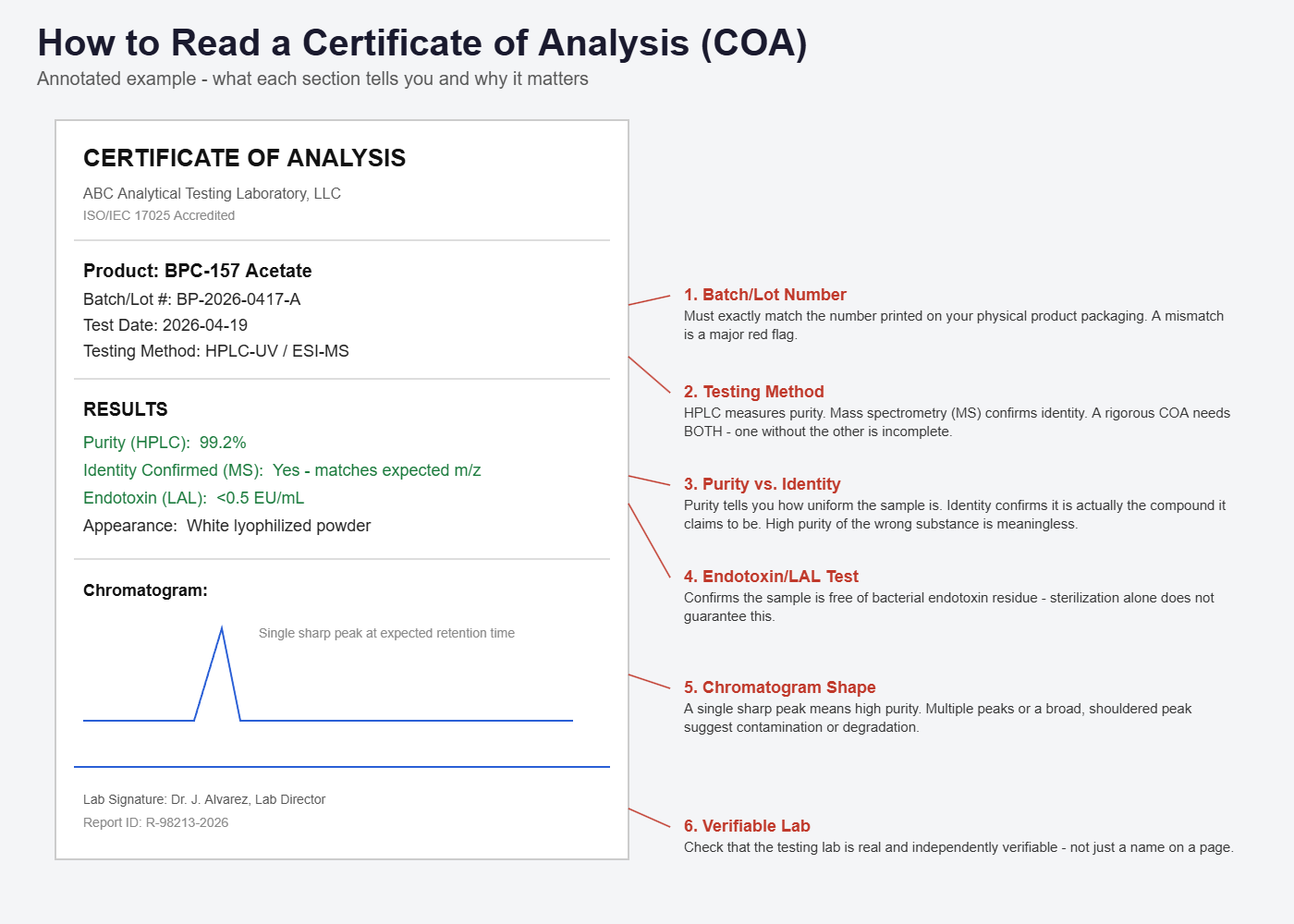
How to Read a Peptide COA: Certificate of Analysis Explained
A Certificate of Analysis is the primary quality document for research peptides. This guide explains what each section means and what red flags to watch for.
-

What Does Research Use Only (RUO) Mean? A Plain-Language Guide
RUO is a regulatory designation that shapes how research compounds can be sold and discussed. Here is what it actually means.
Research context, evidence standards, and editorial approach

How to Use These Research Articles
Start with the topic links above to narrow the library, then open an article that matches your question. Compound profiles provide a quick orientation to names, mechanisms, research status, and linked literature, while full research articles explain study design, reported outcomes, and important limitations in more detail. Use publication dates and categories to understand context, and follow source links when you need to check the underlying paper, regulatory notice, or public record.
How We Read the Evidence
A finding in a randomized human trial does not carry the same weight as an observational association, an animal experiment, or an in-vitro result. When reading research articles, check the population, comparison group, sample size, follow-up period, measured endpoint, and whether the result was a primary or exploratory analysis. A plausible mechanism can explain why a compound is being studied, but it cannot establish human safety or efficacy by itself. We also separate approved medicines from investigational compounds and research-use-only materials so readers do not confuse biological interest with regulatory status.
Questions to Ask Before Drawing a Conclusion
- Was the study conducted in humans, animals, cells, or a laboratory model?
- Was there a control or comparison group, and was the study large enough to support the claim?
- Does the reported endpoint measure a meaningful outcome or only a short-term marker?
- Are the results peer reviewed, publicly registered, and reproducible?
- Does the article link to the primary source so the methods and limitations can be checked?
- What remains unknown, especially about long-term safety, product quality, or generalizability?
Editorial Approach and Primary Sources
GLP1Place aims to make technical research easier to follow without turning uncertain findings into promises. Articles identify whether evidence is clinical, observational, preclinical, mechanistic, or regulatory, and they use cautious language when a study cannot establish cause and effect. For primary literature, compare the article summary with PubMed research results and the original publication whenever a claim matters. Sources may change over time, so readers should verify current notices and consult qualified professionals for personal medical decisions.
Keeping Research Current
Research moves quickly, especially in obesity medicine, peptide science, cognitive research, and product-quality oversight. A newer paper may add context without overturning every earlier finding, while an agency alert or later correction can change how a claim should be understood. For that reason, this Blog page is organized as a living research library rather than a static list of conclusions. Check publication dates, read the most recent update when available, and treat headlines as a guide to the evidence—not as proof that a compound works, is safe, or is appropriate for a particular person. This page also connects related topics so readers can compare clinical research with preclinical studies and regulatory reporting in the same subject area.
Educational and research reference only: the information on GLP1Place is not medical advice, a diagnosis, or a treatment recommendation.
Use category archives to compare related reports and compound profiles; the date, category, and source context help explain how each item fits the broader research record. When a claim matters, start with the linked primary source and the relevant regulatory notice.