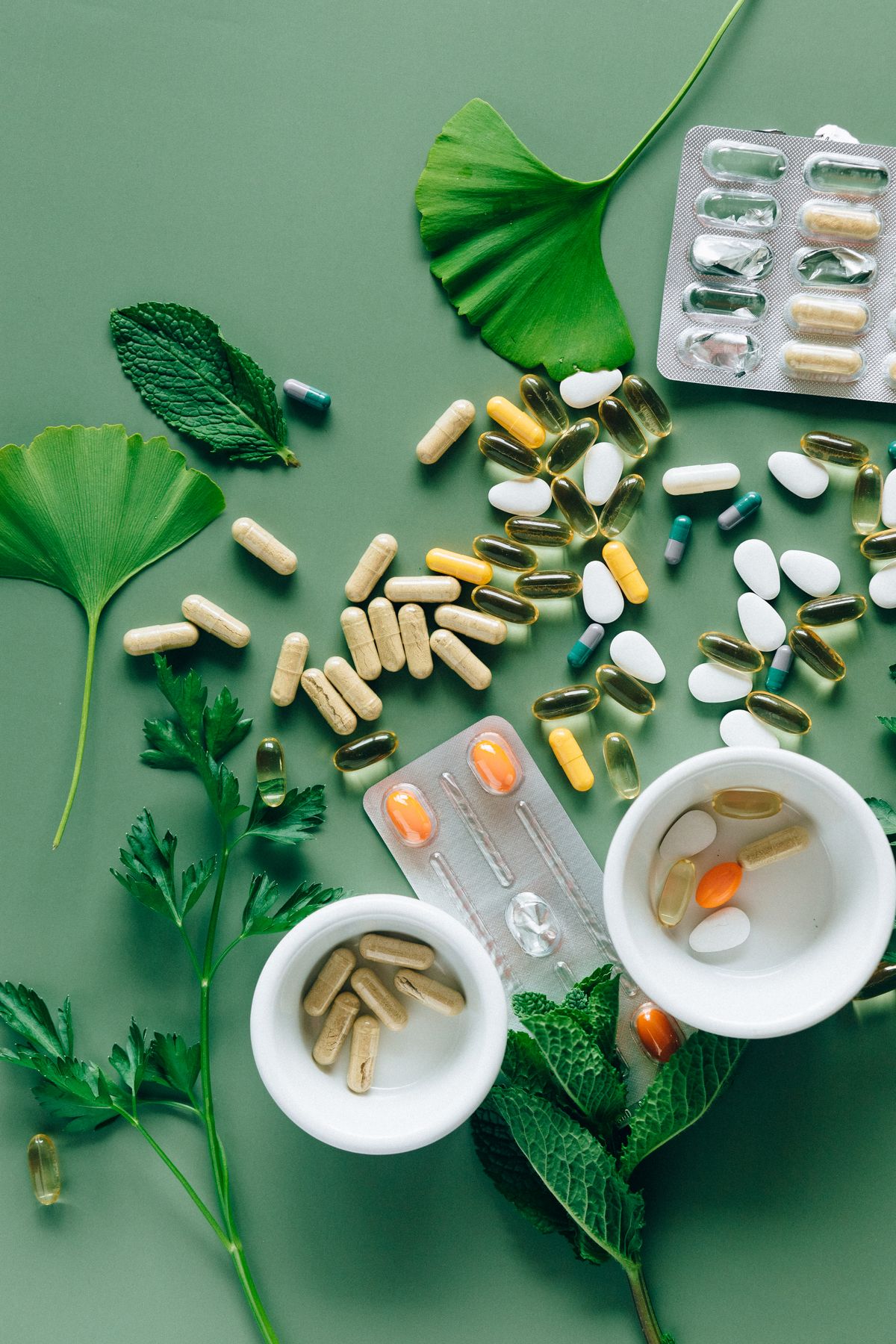
Proper handling of research compounds requires understanding sterile technique, contamination prevention, and safe storage practices. This is a complete educational reference — the same principles used in university research labs and pharmaceutical manufacturing apply at any scale. This overview specifically addresses lab safety research compound handling, and related research is indexed on PubMed.
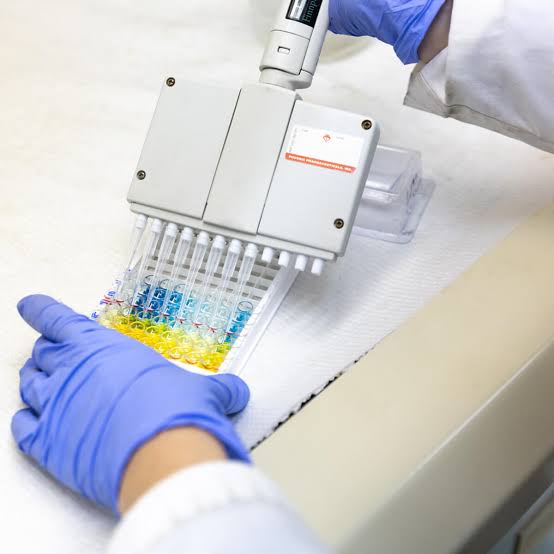
Why Aseptic Technique Matters
Contaminated solutions can harbor bacteria, fungi, endotoxins (bacterial cell wall components), or particulate matter. Endotoxins in particular are dangerous even in small amounts — they survive sterilization and cause strong inflammatory responses. Aseptic technique is the set of practices that prevent contamination at every step.
Working Environment
- Surface preparation: Clean with 70% isopropyl alcohol (IPA) and allow to dry completely before beginning. Alcohol is effective against most bacteria and fungi but needs contact time.
- Air flow: Avoid working in high-traffic areas or near HVAC vents. Still air is preferable. Laminar flow hoods provide the highest level of protection but are not typically available outside professional labs.
- Cleanliness: Remove any clutter from the work area. Clean surfaces, minimize particle generation.
Syringes and Needles
- Always use sterile, single-use syringes and needles
- Never reuse needles — they dull after a single use and the tip’s sterility cannot be maintained
- Do not touch the needle tip, the inside of the syringe barrel, or the plunger with anything non-sterile
- Remove the needle cap immediately before use; recap carefully if you must put it down (better: use a clean needle for each action)
- Dispose of used sharps in an approved sharps container — never in regular trash
Vial Handling
- Always swab rubber stoppers with 70% IPA before needle insertion — allow to dry (10-15 seconds)
- Inspect vials for particulate matter, cloudiness, or unusual color before use — do not use if any abnormality is present
- Never leave needles in a vial stopper between uses — each insertion risks contamination
- Minimize the number of times you penetrate a rubber stopper — stopper integrity degrades with each puncture
Filtration
For compounds that are not pre-sterilized, syringe filtration (0.22 micron filter) is the standard method for terminal sterilization of solutions. This removes bacteria and fungi (0.22 micron is the accepted sterilizing grade filter). It does NOT remove viruses or dissolved endotoxins — these require additional processes not typically available outside pharmaceutical manufacturing.
When using a syringe filter: wet the membrane first with a small amount of solution (discard), then filter the remainder into a clean sterile container.
Storage
- Lyophilized powders: -20°C for long-term storage. Stable for months to years under proper conditions. Allow to reach room temperature before opening to prevent moisture condensation.
- Reconstituted solutions (BAC water): 2-8°C refrigerator. Use within 28-30 days.
- Reconstituted solutions (sterile water): Use within 24 hours.
- Never freeze reconstituted solutions containing BAC water — repeat freeze-thaw cycles degrade peptides
- Store in original containers when possible; if transferring, use sterile glass or polypropylene
- Keep away from light — UV degrades many peptide compounds
Disposal
- Sharps: Only in approved sharps containers. Many pharmacies offer sharps container disposal.
- Unused solutions: Dispose according to local regulations. Many research compounds should not be poured down drains.
- Vials and packaging: Check local pharmaceutical waste guidelines.
Red Flags — When Not to Proceed
- Any cloudiness, particulate matter, or unusual color in a reconstituted solution
- Any off-odor (some bacterial contamination produces detectable odor)
- Packaging that was breached or improperly sealed on delivery
- Any vial that was left at room temperature for an extended period unknowingly
- Anything past its labeled expiry date
How Endotoxin Contamination Is Actually Tested
Endotoxins (lipopolysaccharides from the outer membrane of gram-negative bacteria) deserve more specific explanation given how dangerous they are even in minute quantities and even after the source bacteria are killed — sterilization kills bacteria but does not necessarily destroy the endotoxin residue they leave behind. The standard test used across pharmaceutical and research manufacturing to detect endotoxin contamination is the LAL (Limulus Amebocyte Lysate) assay, which uses blood cell extract from horseshoe crabs — whose blood clots in the presence of even trace endotoxin — to provide a sensitive, quantifiable measure of contamination, typically reported in EU/mL (endotoxin units per milliliter). A COA that includes endotoxin/LAL testing data alongside purity and identity data represents a more complete quality picture than purity data alone, since a chemically pure peptide sample can still carry a dangerous endotoxin load from contamination introduced during manufacturing, handling, or reconstitution with non-sterile water or equipment.
Organizing a Multi-Compound Research Inventory
Beyond individual-vial handling, anyone maintaining more than a handful of research compounds benefits from a systematic inventory approach: a written log recording each vial’s compound name, batch/lot number, receipt date, reconstitution date (once mixed), and expected discard date, kept separately from the physical storage location so the record survives even if a label becomes illegible. Physical organization should keep reconstituted (time-sensitive) vials clearly separated from unreconstituted lyophilized stock, and compounds requiring different storage temperatures should be labeled and grouped accordingly rather than relying on memory. This kind of systematic tracking — standard practice in any legitimate research lab — meaningfully reduces the risk of using an expired, mislabeled, or degraded compound by accident, which is a more mundane but statistically more likely safety failure than dramatic contamination events.
Frequently Asked Questions
Does sterilizing a solution eliminate endotoxin risk?
Not necessarily — sterilization kills bacteria, but the endotoxin (lipopolysaccharide) residue from dead bacterial cell walls can persist and remain biologically active even after the organisms themselves are no longer viable, which is why dedicated endotoxin testing (via the LAL assay) is a distinct quality check from sterility testing.
Why does a horseshoe crab blood test matter for peptide safety?
The LAL assay exploits horseshoe crab blood cells’ extreme sensitivity to endotoxin (they clot in its presence) to provide a practical, standardized, quantifiable method for detecting even trace bacterial endotoxin contamination — it remains the pharmaceutical industry standard test for this purpose.
What’s the most common real-world safety failure in home research settings, beyond contamination?
Disorganized inventory tracking — losing track of reconstitution dates, storage temperatures, or batch identities — is a more mundane but statistically more common failure mode than dramatic contamination events, which is why a written inventory log is a genuinely practical safety measure, not just an administrative nicety.
Educational content only. Research compound handling requires appropriate training, equipment, and legal authorization. This reference does not constitute professional laboratory training.